


Hey there! I'm a supplier of 360 Digital Dome Screens, and I'm stoked to share with you how these mind - blowing devices work. In this blog, I'll take you on a journey through the technology, components, and magic behind these immersive digital experiences.

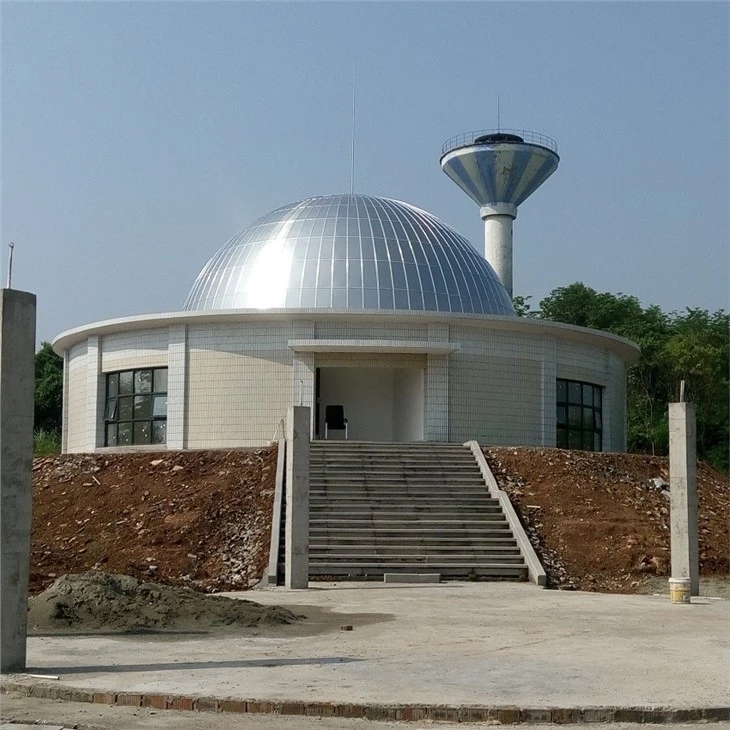
The Basics of a 360 Digital Dome Screen
First things first, let's talk about what a 360 Digital Dome Screen actually is. It's a spherical or hemispherical screen that wraps around viewers, providing a 360 - degree field of view. This creates an incredibly immersive environment, whether it's for a planetarium show, a virtual reality experience, or a corporate presentation.
The screen itself is a crucial component. There are different types of dome screens available, like the Perforated Domes for Planetarium. These perforated screens are great because they allow for sound to pass through while still providing a high - quality projection surface. Then there's the Projection Dome, which is designed specifically for projection systems. And if you're looking for something more industrial, the Horizontal Metal Planetarium Dome might be the way to go.
The Projection System
The heart of the 360 Digital Dome Screen is the projection system. This system is responsible for displaying the content on the dome screen. There are usually multiple projectors involved, and they work together to create a seamless image across the entire dome.
The projectors are carefully calibrated to ensure that the images align perfectly. This process is called edge blending. Edge blending is essential because it eliminates the visible seams between the projected images, creating a smooth and continuous visual experience.
Another important aspect of the projection system is the fisheye lens. Fisheye lenses are used to distort the image in a way that it can be projected onto the curved surface of the dome. These lenses have a wide field of view, which is necessary to cover the entire dome.
Content Creation and Management
Once you have the hardware in place, you need content to display on the 360 Digital Dome Screen. Content creation for dome screens is a specialized field. The content needs to be created in a way that it takes advantage of the 360 - degree environment.
There are different types of content that can be shown on a dome screen, such as planetarium shows, nature documentaries, and virtual reality experiences. To create this content, special software is used. This software allows creators to design and animate scenes in a 3D space that can be projected onto the dome.
Managing the content is also crucial. You need a system to store, organize, and play the content. This is usually done through a media server. The media server can be controlled remotely, allowing operators to easily switch between different shows or presentations.
Sound System
A great audio experience is just as important as the visual one in a 360 Digital Dome Screen setup. The sound system needs to be designed to surround the viewers and create a sense of immersion.
There are usually multiple speakers placed around the dome. These speakers are carefully positioned to ensure that the sound is evenly distributed throughout the space. Some dome screen setups also use sub - woofers to add a deep bass effect, enhancing the overall audio experience.
The sound system is often integrated with the projection system. This means that the audio is synchronized with the visual content, creating a truly immersive experience.
Installation and Calibration
Installing a 360 Digital Dome Screen is a complex process. It requires a team of experts who are familiar with the technology. The first step is to assemble the dome structure. This can be a time - consuming process, especially for larger domes.
Once the dome is assembled, the projectors and speakers need to be installed. The projectors need to be carefully positioned and aligned to ensure that the images are projected correctly onto the dome. This is where the calibration process comes in.
Calibration is a crucial step in the installation process. It involves adjusting the projectors, speakers, and other components to ensure that the visual and audio experience is perfect. This process can take several days, depending on the size and complexity of the dome screen.
Maintenance and Upgrades
Like any piece of technology, 360 Digital Dome Screens require regular maintenance. The projectors need to be cleaned and their bulbs need to be replaced periodically. The dome screen itself also needs to be cleaned to ensure that the projection quality remains high.
Upgrades are also important to keep the system up - to - date. As technology advances, new projectors, software, and content become available. Upgrading the system can improve the visual and audio quality, as well as add new features.
Why Choose a 360 Digital Dome Screen
So, why should you choose a 360 Digital Dome Screen? Well, for starters, it provides an unparalleled immersive experience. Whether you're running a planetarium, an amusement park, or a corporate event, a dome screen can take your presentations and shows to the next level.
It's also a versatile technology. You can use it to display a wide range of content, from educational shows to entertainment experiences. And with the ability to customize the content, you can create unique experiences for your audience.
Contact Us for Your 360 Digital Dome Screen Needs
If you're interested in purchasing a 360 Digital Dome Screen, I'd love to talk to you. Whether you're looking for a small dome for a school or a large one for a commercial venue, we have the expertise and the products to meet your needs. Just reach out to us, and we can start discussing your project. We'll work with you to understand your requirements, recommend the best solutions, and provide you with a detailed quote.
References
- Planetarium Technology Handbook
- Digital Projection Systems for Immersive Environments
- Sound Design for 360 - Degree Experiences


