


The signal - to - noise ratio (SNR) of projections in a Projection Dome is a crucial metric that significantly impacts the overall visual experience. As a supplier of Projection Domes, understanding this concept is essential for both us and our clients.
Understanding the Signal - to - Noise Ratio
The signal - to - noise ratio is a measure that compares the level of a desired signal (the projection image) to the level of background noise. In the context of Projection Domes, the signal is the clear, sharp, and colorful imagery projected onto the dome screen, while the noise can be various factors that degrade the quality of this projection.
The signal represents the light and color information that forms the visual content we want to display in the dome. For example, in a Immersive Projection Dome Theaters, high - quality signals can create stunning visual effects, such as realistic landscapes, vivid animations, or detailed astronomical simulations. A strong signal means that the projection has high brightness, accurate colors, and good contrast, which are essential for engaging the audience.
On the other hand, noise in Projection Domes can come from multiple sources. One of the primary sources is ambient light. Even a small amount of external light entering the dome can reduce the contrast of the projection and make the image appear washed out. For instance, if a Projection Dome is located in a room with windows and the curtains are not properly closed, sunlight can seep in and act as noise, interfering with the projected signal.
Another source of noise is the imperfections in the projection equipment itself. This can include pixelation, color inaccuracies, or uneven brightness across the dome screen. In a 360 Digital Dome Screen, if the projector has a faulty lens or a malfunctioning light source, it can introduce noise in the form of blurry areas or strange color tints in the projection.
Importance of SNR in Projection Domes
A high signal - to - noise ratio is vital for Projection Domes for several reasons. Firstly, it enhances the visual experience for the audience. In a Planetarium Projection Domes, a high SNR allows for a more accurate representation of the night sky. Stars appear as sharp points of light, and nebulae and galaxies have their true colors and details, creating a more immersive and educational experience.
Secondly, a good SNR is essential for the longevity and performance of the projection system. When the SNR is high, the projector does not have to work as hard to produce a clear image. This reduces the stress on the projector components, such as the lamp or the laser source, and can extend the lifespan of the equipment. Additionally, it can also lead to lower energy consumption, which is beneficial for both the environment and the operating costs of the Projection Dome.

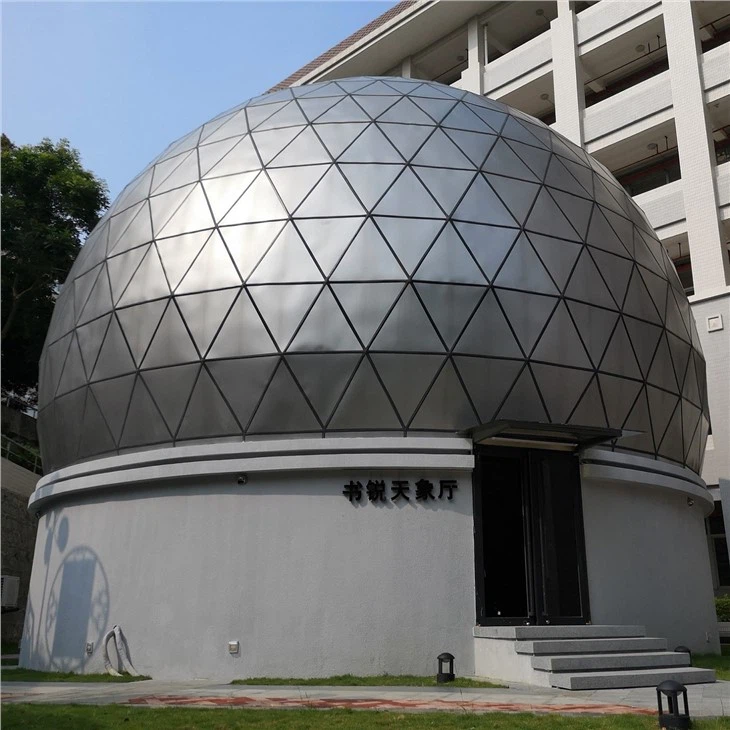
Factors Affecting SNR in Projection Domes
- Projection Equipment Quality: The quality of the projector used in the Projection Dome plays a significant role in determining the SNR. High - end projectors are designed to produce a strong and clean signal. They have better light sources, more accurate color calibration, and advanced image processing capabilities. For example, a projector with a high lumen output can produce a brighter signal, which is more resistant to the effects of ambient light noise.
- Dome Screen Material: The material of the dome screen can also affect the SNR. A screen with high gain can reflect more of the projected light back to the viewers, increasing the signal strength. However, high - gain screens may also have a narrower viewing angle, which can be a drawback in some applications. On the other hand, low - gain screens have a wider viewing angle but may require a more powerful projector to achieve a good SNR.
- Room Design and Ambient Light Control: As mentioned earlier, ambient light is a major source of noise in Projection Domes. Proper room design, such as using light - blocking curtains, painted walls with low reflectivity, and sealed doors and windows, can significantly reduce the amount of ambient light entering the dome. This, in turn, improves the SNR by minimizing the noise.
Measuring and Improving SNR in Projection Domes
Measuring the SNR in a Projection Dome can be a complex process. One common method is to use a light meter to measure the brightness of the projected image (signal) and the background light level (noise). The ratio of these two measurements gives an indication of the SNR.
To improve the SNR, several strategies can be employed. Firstly, upgrading to a higher - quality projector can increase the signal strength. This may involve investing in a projector with a higher lumen output, better color accuracy, and advanced image processing features.
Secondly, optimizing the dome screen installation and material selection can also enhance the SNR. Ensuring that the screen is properly tensioned and aligned can reduce the occurrence of wrinkles or uneven surfaces, which can cause reflections and noise. Additionally, choosing a screen material that is suitable for the specific application and lighting conditions can improve the overall performance.
Finally, implementing effective ambient light control measures is crucial. This can include installing blackout curtains, using light - absorbing materials on the walls and ceilings, and sealing any gaps or cracks where light can enter the dome.
Conclusion
The signal - to - noise ratio of projections in a Projection Dome is a critical factor that affects the visual experience, the performance of the projection system, and the overall success of the Projection Dome installation. As a Projection Dome supplier, we are committed to providing our clients with the best possible solutions to achieve a high SNR. By understanding the factors that affect SNR and implementing appropriate measures to improve it, we can ensure that our Projection Domes deliver stunning visual experiences.
If you are interested in learning more about our Projection Domes or have any questions regarding the signal - to - noise ratio and how it can be optimized for your specific needs, we invite you to contact us for a detailed discussion and potential procurement. We look forward to working with you to create the perfect Projection Dome solution.
References
- Smith, J. (2020). "Advanced Projection Technologies in Immersive Environments." Journal of Visual Display, 15(2), 45 - 52.
- Johnson, A. (2019). "The Impact of Screen Materials on Projection Quality in Dome Theaters." Projection Science Review, 8(3), 67 - 74.
- Brown, C. (2021). "Ambient Light Control in Projection Domes: Best Practices." Immersive Experience Magazine, 22(1), 23 - 30.


