


What is the geometric correction in Multi Channel Projection?
Hey there! As a supplier of Multi Channel Projection systems, I often get asked about geometric correction. It's a super important part of making multi - channel projection look amazing, so let me break it down for you.
First off, what exactly is multi - channel projection? Multi Channel Projection involves using multiple projectors to create a large, seamless image. It's commonly used in big - screen setups like in Dome Theater Video Multi - channel Projection System. These systems can turn a plain - looking room into an immersive experience, whether it's for a planetarium, a large - scale advertising display, or an interactive gaming area.
Now, onto geometric correction. Imagine you're trying to hang multiple pieces of wallpaper on a wall to cover it completely, but the wall is not a perfect rectangle, maybe it has some curves or bumps. You can't just stick the wallpaper on haphazardly; it won't look right. The same goes for multi - channel projection. When you use multiple projectors to form an image, there are bound to be some geometric distortions. The projection surface might be curved (like in a dome), or the projectors might not be perfectly aligned due to physical constraints in the installation space.
Geometric correction is the process of fixing these distortions so that the final image is smooth and seamless. It involves adjusting the shape and size of the projected images from each projector to match the desired projection surface and to blend properly with the images from other projectors.
Let's dig a bit deeper into why geometric correction is so crucial. If you don't perform geometric correction, the final image can look really wonky. You might see overlapping areas where the images from different projectors don't line up correctly, or there could be gaps between the projected images. This not only spoils the visual appeal but also makes the whole multi - channel projection system look unprofessional.
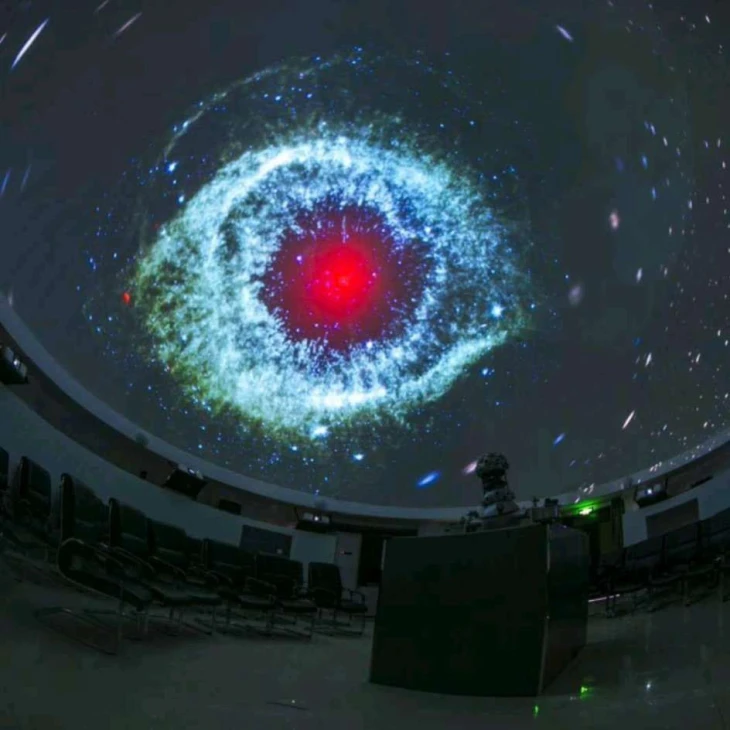
For instance, in a Multi Channel Dome Theater Projection System, the dome is a spherical surface. Without proper geometric correction, the projected stars and galaxies in a planetarium show would look all stretched and distorted. It would be like looking at a fun - house mirror version of the night sky, which is definitely not the immersive experience we want.
There are a few ways to achieve geometric correction in multi - channel projection. One common method is using software. Specialized projection software can analyze the projection surface and the position of each projector. It then applies mathematical algorithms to adjust the image output of each projector. This software - based approach is flexible and can be adjusted easily if there are any changes in the projection setup, like moving the projectors slightly or changing the projection surface.

Another approach is using hardware solutions. Some projectors come with built - in geometric correction capabilities. These projectors can adjust the image shape and size directly at the hardware level. Hardware - based correction can be faster and more reliable in some cases, but it might be less flexible compared to software solutions.
As a Multi Channel Projection supplier, I've seen firsthand the difference that proper geometric correction can make. In one of our recent projects for a large - scale event hall, the initial setup without geometric correction was a mess. The projected corporate logo and event information had all sorts of distortions. But after we applied geometric correction, the final result was a sharp, seamless image that really wowed the clients.
When it comes to setting up a multi - channel projection system with geometric correction, there are a few things to keep in mind. First, you need to have accurate measurements of the projection surface. Whether it's a flat wall, a curved screen, or a dome, knowing the exact dimensions and shape is crucial for proper correction. Second, the projectors need to be installed in the right positions. Even a small misalignment can cause significant distortion in the final image.
Also, it's important to test the system thoroughly. You can't just set up the geometric correction and assume it will work perfectly forever. Over time, factors like projector bulb aging, temperature changes, or even minor vibrations can affect the alignment. Regular testing and adjustments are necessary to ensure the image quality remains top - notch.
In addition to the technical aspects, there are also some creative possibilities with geometric correction. You can use it to create unique visual effects. For example, you can project an image that seems to wrap around a non - rectangular object in a room, creating an interactive and engaging experience for the viewers.
If you're in the market for a multi - channel projection system, don't overlook the importance of geometric correction. It's not just a technical detail; it's what turns a good projection setup into a great one. Whether you're a business looking to create an eye - catching advertising display or an institution planning an immersive educational experience, a well - corrected multi - channel projection system can make all the difference.
So, if you're interested in learning more about our Multi Channel Projection solutions and how we can handle geometric correction for your specific needs, don't hesitate to reach out. We're always here to help you create the best - looking projection setup possible. Let's have a chat and see how we can bring your vision to life!
References
- General knowledge in the field of multi - channel projection and geometric correction from industry experience.
- Technical documentation from projector manufacturers regarding geometric correction capabilities.


