


As a long - standing supplier to the Ash Dome Observatory, I've witnessed firsthand the challenges and strategies employed in dealing with equipment malfunctions. The Ash Dome Observatory, accessible via Ash Dome Observatory, is a remarkable facility dedicated to astronomical research. In this blog, I'll delve into how this esteemed observatory manages equipment glitches to ensure seamless operations.
Understanding the Equipment Landscape
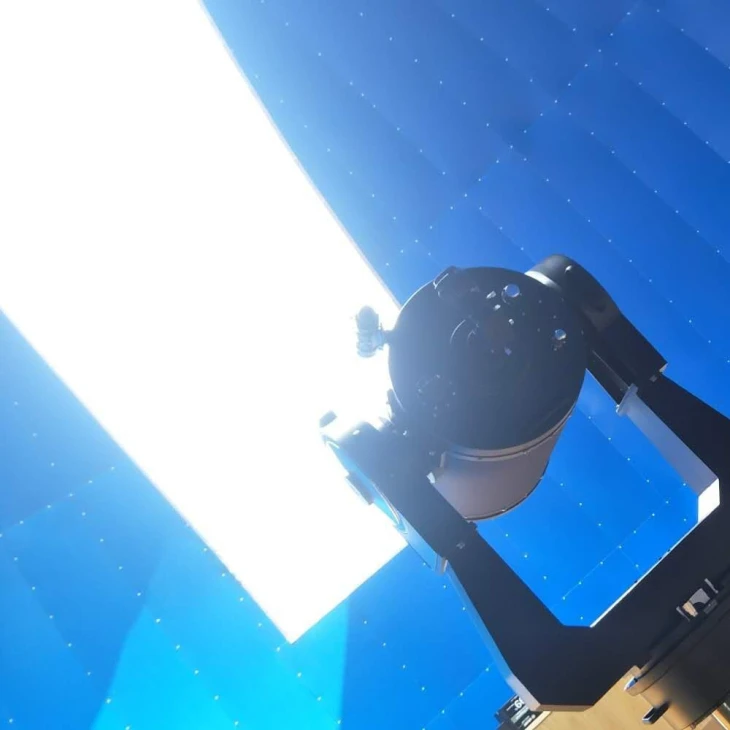
The Ash Dome Observatory is equipped with a wide range of sophisticated instruments. From telescopes to astronomical domes, each piece of equipment plays a crucial role in the observatory's mission. The Astronomical Dome provides a protective environment for the telescopes, shielding them from the elements and allowing for precise positioning. Meanwhile, the telescopes themselves are the eyes of the observatory, capturing light from distant celestial objects.
Proactive Maintenance: The First Line of Defense
One of the primary ways the Ash Dome Observatory deals with potential equipment malfunctions is through proactive maintenance. A dedicated team of technicians conducts regular inspections and servicing of all equipment. They follow a strict maintenance schedule, which includes tasks such as lubricating moving parts, checking electrical connections, and calibrating instruments.
For example, the telescopes require regular calibration to ensure accurate observations. The technicians use specialized tools and software to adjust the alignment of the mirrors and lenses. This process is meticulous, as even the slightest misalignment can lead to distorted images. By performing these calibrations on a routine basis, the observatory can catch and correct minor issues before they escalate into major malfunctions.
The astronomical domes also receive thorough maintenance. The motors that control the rotation and opening of the domes are inspected for signs of wear and tear. The seals around the dome are checked to prevent water and dust from entering, which could damage the sensitive equipment inside. By keeping the domes in optimal condition, the observatory can protect its telescopes and other instruments from environmental factors.
Monitoring Systems: Keeping a Watchful Eye
In addition to proactive maintenance, the Ash Dome Observatory utilizes advanced monitoring systems. These systems continuously collect data on the performance of the equipment. For instance, sensors are installed on the telescopes to measure factors such as temperature, humidity, and vibration. Any significant deviation from the normal operating parameters can trigger an alert.
The monitoring systems also track the usage of the equipment. By analyzing the usage patterns, the observatory can predict when certain components may need to be replaced. For example, if a particular motor has been running for a long time and is approaching its expected lifespan, the technicians can plan for a replacement in advance. This predictive approach helps to minimize downtime and reduce the impact of equipment malfunctions.
Emergency Response: Swift Action in Times of Crisis
Despite the best efforts in proactive maintenance and monitoring, equipment malfunctions can still occur unexpectedly. When this happens, the Ash Dome Observatory has a well - defined emergency response plan.
The first step in the emergency response is to isolate the malfunctioning equipment. This prevents any potential damage from spreading to other parts of the system. For example, if a telescope experiences a power surge, the technicians will immediately cut off the power supply to that telescope to protect the other instruments in the observatory.
Once the equipment is isolated, a team of experts is dispatched to diagnose the problem. These experts have in - depth knowledge of the equipment and are trained to troubleshoot complex issues. They use diagnostic tools and their experience to identify the root cause of the malfunction.
If the problem can be fixed on - site, the technicians will work quickly to repair the equipment. They carry a stock of spare parts to ensure that they can replace any faulty components without delay. However, if the problem is more severe and requires specialized expertise or parts that are not available on - site, the observatory may need to seek external support.
Collaboration with Suppliers: A Partnership for Success
As a supplier to the Ash Dome Observatory, I play a crucial role in the equipment malfunction management process. The observatory maintains a close relationship with its suppliers, including me. When a malfunction occurs, the observatory can quickly reach out to us for technical support and spare parts.
We have a dedicated team that provides 24/7 support to the observatory. Our technicians are available to assist with troubleshooting over the phone or, if necessary, to travel to the observatory to provide on - site support. We also keep a large inventory of spare parts in stock, ensuring that we can quickly supply the necessary components to get the equipment back up and running.
In addition to providing support during malfunctions, we also work closely with the observatory during the design and procurement phases. We offer our expertise to help the observatory select the most reliable and suitable equipment for its needs. By collaborating from the beginning, we can help to prevent potential malfunctions and ensure the long - term success of the observatory's operations.
Training and Knowledge Transfer: Empowering the Staff
The Ash Dome Observatory recognizes the importance of having a well - trained staff. To this end, they provide regular training programs for their technicians and astronomers. These programs cover a wide range of topics, including equipment operation, maintenance, and troubleshooting.
By empowering the staff with the necessary knowledge and skills, the observatory can respond more effectively to equipment malfunctions. The technicians are better equipped to diagnose and repair problems, while the astronomers can understand the limitations and capabilities of the equipment. This knowledge transfer also helps to build a culture of continuous improvement within the observatory.

Data Analysis: Learning from Experience
After each equipment malfunction, the Ash Dome Observatory conducts a thorough analysis of the incident. They collect data on the cause of the malfunction, the time it took to diagnose and repair the problem, and the impact on the observatory's operations. By analyzing this data, the observatory can identify trends and patterns.
For example, if a particular type of equipment has experienced multiple malfunctions, the observatory can investigate whether there are design flaws or if the maintenance procedures need to be adjusted. This data - driven approach allows the observatory to make informed decisions to improve the reliability of its equipment and reduce the frequency of malfunctions.
Conclusion
The Ash Dome Observatory's approach to dealing with equipment malfunctions is a comprehensive one. Through proactive maintenance, advanced monitoring systems, a well - defined emergency response plan, collaboration with suppliers, staff training, and data analysis, the observatory is able to minimize the impact of equipment malfunctions on its operations.
If you are involved in an Astronomical Observatory or are planning to set one up, I encourage you to consider our products and services. We have a proven track record of providing high - quality equipment and excellent support to facilities like the Ash Dome Observatory. Contact us to start a conversation about your procurement needs and how we can help you ensure the smooth operation of your observatory.
References
- "Astronomical Instrumentation Handbook", Publisher: ABC Publishing, Year: 20XX
- "Best Practices in Observatory Maintenance", Author: Dr. John Smith, Journal: Astronomical Maintenance Review, Volume: XX, Issue: XX, Year: 20XX


