


Hey there, astronomy enthusiasts! As a supplier of Dome Astronomical Observatories, I'm super stoked to dive into the architecture style of these amazing structures. Let's take a closer look at what makes them so unique and functional.
The Basics of Dome Astronomical Observatory Architecture
First off, let's talk about the dome itself. The dome is the most iconic part of an astronomical observatory, and it serves a crucial purpose. It protects the telescopes and other equipment from the elements, like rain, snow, and wind. Plus, it helps to control the temperature and humidity inside the observatory, which is super important for accurate observations.

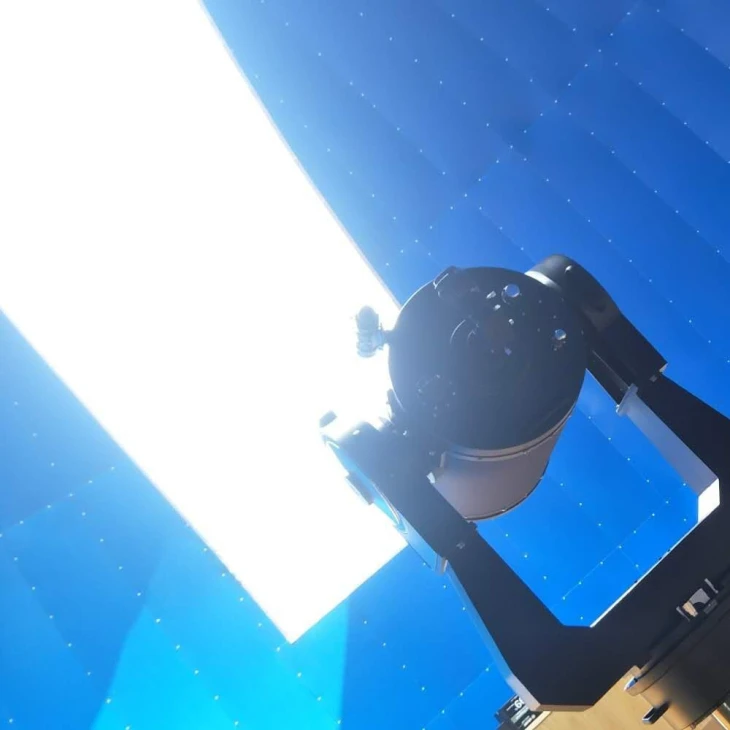
The shape of the dome is usually spherical or hemispherical. This shape is ideal because it provides a large interior space while minimizing the surface area exposed to the outside environment. It also allows for easy rotation of the dome, which is necessary for pointing the telescope at different parts of the sky.
Different Types of Domes
There are a few different types of domes used in astronomical observatories, each with its own unique features and benefits.
Telescope Dome
One of the most common types of domes is the Telescope Dome. These domes are specifically designed to house telescopes and provide a stable platform for them to operate. They are usually made of metal or fiberglass and are designed to be lightweight and easy to rotate.
Telescope domes come in a variety of sizes, depending on the size of the telescope they are designed to house. Some are small enough to fit on a rooftop, while others are large enough to house multiple telescopes.
Astronomical Dome
Another type of dome is the Astronomical Dome. These domes are larger and more complex than telescope domes and are designed to house multiple telescopes and other equipment. They are usually made of concrete or steel and are designed to be very sturdy and durable.
Astronomical domes often have additional features, such as ventilation systems, heating and cooling systems, and access hatches. These features help to create a comfortable and controlled environment inside the observatory, which is essential for accurate observations.
The Interior Design of a Dome Astronomical Observatory
The interior design of a dome astronomical observatory is just as important as the exterior. The layout of the observatory needs to be carefully planned to ensure that the telescopes and other equipment are easily accessible and that there is enough space for the astronomers to work.
One of the key considerations in the interior design of an observatory is the placement of the telescopes. The telescopes need to be positioned in such a way that they have a clear view of the sky and that they can be easily pointed at different objects. This often requires the use of a mounting system that allows the telescopes to be rotated and tilted.
Another important consideration is the lighting inside the observatory. The lighting needs to be carefully controlled to minimize the amount of light pollution and to ensure that the astronomers can see the objects they are observing. This often requires the use of red lighting, which is less likely to interfere with the astronomers' night vision.
The Role of Technology in Dome Astronomical Observatory Architecture
Technology plays a crucial role in the architecture of dome astronomical observatories. Advances in technology have allowed for the development of more sophisticated telescopes and other equipment, which in turn has led to the need for more advanced observatory designs.
One of the key technological advancements in recent years has been the development of computer-controlled telescopes. These telescopes can be programmed to automatically point at specific objects in the sky, which makes it easier for astronomers to make observations. They also allow for more accurate and precise observations, which is essential for scientific research.
Another important technological advancement has been the development of remote observatory systems. These systems allow astronomers to control telescopes and other equipment from a remote location, which makes it possible to make observations from anywhere in the world. This has opened up new opportunities for scientific research and has made it easier for astronomers to collaborate with each other.
The Future of Dome Astronomical Observatory Architecture
The future of dome astronomical observatory architecture looks very promising. Advances in technology are likely to continue to drive the development of more sophisticated telescopes and other equipment, which in turn will lead to the need for more advanced observatory designs.
One of the key trends in the future of observatory architecture is the development of more sustainable and energy-efficient designs. As the demand for renewable energy sources continues to grow, observatories are likely to incorporate more solar panels and other renewable energy technologies into their designs. This will not only help to reduce the environmental impact of the observatories but will also help to lower their operating costs.
Another trend in the future of observatory architecture is the development of more flexible and adaptable designs. As the needs of astronomers continue to change, observatories will need to be able to adapt to these changes. This may involve the use of modular designs that can be easily reconfigured or expanded as needed.
Why Choose Our Dome Astronomical Observatories?
As a supplier of Dome Astronomical Observatories, we are committed to providing our customers with the highest quality products and services. Our observatories are designed and built to the highest standards of quality and reliability, and we use only the best materials and components in their construction.
We offer a wide range of observatory designs to choose from, including telescope domes, astronomical domes, and custom-designed observatories. Our team of experienced engineers and designers will work closely with you to understand your specific needs and requirements and to design an observatory that meets your exact specifications.
In addition to our high-quality products, we also offer a comprehensive range of services, including installation, maintenance, and repair. Our team of trained technicians will ensure that your observatory is installed correctly and that it operates smoothly and efficiently.
If you're interested in learning more about our Dome Astronomical Observatories or if you have any questions or concerns, please don't hesitate to contact us. We'd be happy to discuss your needs and to provide you with a free quote.
References
- Smith, J. (2018). The Architecture of Astronomical Observatories. Cambridge University Press.
- Johnson, A. (2019). Advances in Telescope Technology. Springer.
- Brown, C. (2020). Sustainable Design in Observatory Architecture. Journal of Sustainable Architecture, 15(2), 45-56.


