


Hey there, space enthusiasts! I'm a supplier of Planetarium Projection Domes, and today I'm super stoked to take you on a journey to uncover how these amazing domes project the awe - inspiring Milky Way.
First off, let's understand the basics. A Projection Dome is not just any ordinary dome. It's a specially designed structure that serves as a canvas for the projection of celestial wonders. The main goal is to create an immersive experience that makes you feel like you're floating right in the middle of the Milky Way.
The Structure of the Projection Dome
There are different types of projection domes available in the market. For instance, the Horizontal Metal Planetarium Dome is a popular choice. It's made of high - quality metal, which provides durability and stability. The horizontal design allows for a unique viewing angle, making it easier to project the Milky Way across the dome's surface.
On the other hand, the Large - format Cinema Dome Theater is another option. These domes are larger in size and are often used in public spaces or large educational institutions. They can accommodate more people and provide a truly grand experience when it comes to projecting the Milky Way.
The Projection System
Now, let's get into the heart of the matter - the projection system. To project the Milky Way accurately, we need a high - tech projection setup. Most modern projection domes use digital projection technology. These projectors are capable of producing high - resolution images, which are crucial for showing the intricate details of the Milky Way.
The projection system consists of multiple projectors placed strategically around the dome. The number of projectors depends on the size of the dome and the level of detail required. For smaller domes, two or three projectors might be sufficient, while larger domes may need six or more.
The projectors are calibrated to work together seamlessly. They are programmed to project different parts of the Milky Way onto specific areas of the dome. This way, when you look up inside the dome, you see a complete and realistic view of the galaxy.
Data Sources
To project the Milky Way, we need accurate data about its structure and appearance. Astronomers have spent decades studying the galaxy, and their research provides us with a wealth of information. We use this data to create digital models of the Milky Way.
These models include details such as the distribution of stars, nebulae, and other celestial objects. The data is then processed and optimized for projection. Special software is used to convert the astronomical data into a format that the projectors can understand.
Image Mapping and Blending
Once the projectors are set up and the data is ready, we need to ensure that the images projected onto the dome blend together smoothly. This is where image mapping and blending come in.
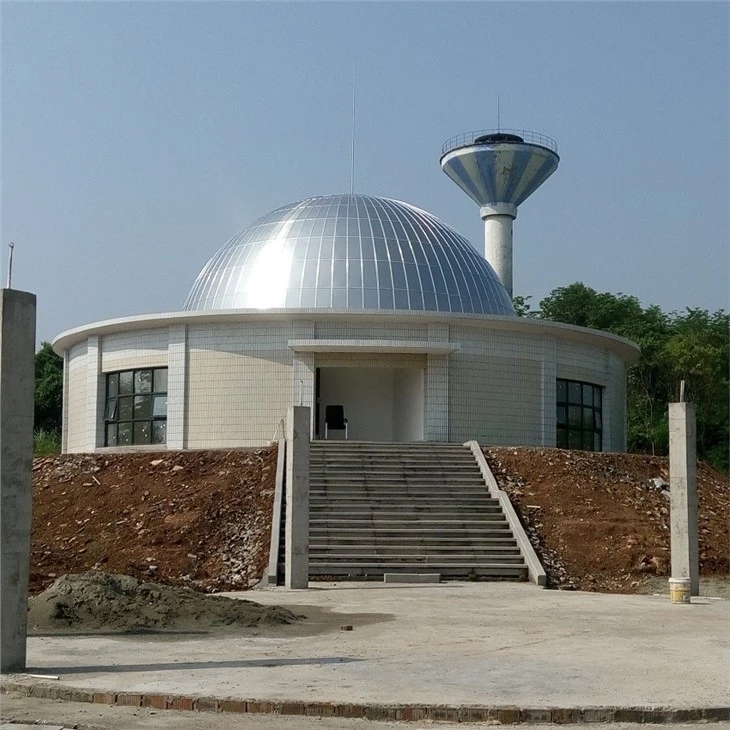

Image mapping is the process of aligning the projected images with the shape of the dome. The software takes into account the curvature of the dome and adjusts the images accordingly. This ensures that the Milky Way looks natural and undistorted when projected.
Blending is used to make the transition between the images projected by different projectors seamless. The edges of the projected images are adjusted so that there are no visible seams or gaps. This creates a continuous and immersive view of the Milky Way.
Immersive Experience
The ultimate goal of a Planetarium Projection Dome is to provide an immersive experience. When you step inside a dome and look up at the projected Milky Way, you should feel like you're actually in space. To enhance this experience, we often use additional features such as sound effects.
Sound effects can mimic the sounds of space, like the distant hum of stars or the gentle whoosh of cosmic winds. This adds another layer of realism to the experience and makes it even more engaging.
Maintenance and Upgrades
To keep the projection of the Milky Way looking its best, regular maintenance is required. The projectors need to be cleaned and calibrated periodically to ensure that they are producing high - quality images. The software also needs to be updated to incorporate the latest astronomical data.
As technology advances, we also offer upgrades to our projection domes. These upgrades can include more powerful projectors, improved software, or additional features. This allows our customers to stay at the forefront of the planetarium experience.
Why Choose Our Planetarium Projection Domes
We take pride in offering top - quality Planetarium Projection Domes. Our domes are built with the latest technology and highest - quality materials. We work closely with astronomers and experts in the field to ensure that our projection systems are accurate and up - to - date.
Our team of professionals is always available to provide support and assistance. Whether you're setting up a new dome or need help with maintenance, we're here to help.
Contact Us for Purchasing
If you're interested in purchasing a Planetarium Projection Dome for your school, museum, or private collection, we'd love to hear from you. Our domes can bring the wonders of the Milky Way right to your doorstep. Contact us today to start a discussion about your specific needs and how we can help you create an unforgettable planetarium experience.
References
- Astronomy textbooks on the structure and appearance of the Milky Way.
- Research papers on digital projection technology in planetariums.
- Industry reports on the latest trends in Planetarium Projection Dome design and functionality.


