


When it comes to multi - channel projection, choosing the right type of projectors is crucial. As a multi - channel projection supplier, I've dealt with various clients and projects, and I've learned a thing or two about which projectors work best in different scenarios.

1. LCD Projectors
LCD (Liquid Crystal Display) projectors are a popular choice for multi - channel projection setups. They use three LCD panels to produce color images. One of the main advantages of LCD projectors is their color accuracy. They can reproduce a wide range of colors vividly, which is great for applications where color fidelity is important, like art galleries or educational settings.
For multi - channel setups, LCD projectors can be relatively easy to align. They usually come with built - in features that allow for horizontal and vertical keystone correction, which helps in adjusting the image shape when the projector is not placed perfectly square to the screen. However, they do have some drawbacks. LCD projectors can suffer from a phenomenon called "screen door effect," where you can see the grid lines between the pixels, especially when you're sitting close to the screen. Also, their contrast ratios are generally not as high as some other types of projectors.
2. DLP Projectors
DLP (Digital Light Processing) projectors use tiny mirrors to reflect light and create an image. These projectors are known for their high contrast ratios and smooth image quality. They don't have the "screen door effect" that LCD projectors do, so the image appears more seamless.
In multi - channel projection, DLP projectors are often a good choice for large - scale installations, such as in stadiums or large conference halls. They can handle high - speed video content well, making them suitable for applications like live sports broadcasts or high - action movie screenings. However, some people may notice a phenomenon called "rainbow effect" in DLP projectors, which is a brief flash of colors. This is more noticeable in single - chip DLP projectors, but it can be less of an issue in more expensive, three - chip DLP models.
3. Laser Projectors
Laser projectors are a relatively new addition to the projection market, but they're quickly gaining popularity. They use lasers as a light source instead of traditional lamps. One of the biggest advantages of laser projectors is their long lifespan. Laser light sources can last up to 20,000 hours or more, compared to traditional projector lamps that may need to be replaced every 2,000 - 5,000 hours.
In multi - channel projection, laser projectors offer consistent brightness across all channels. This is because the laser light source doesn't degrade as quickly as a lamp, so the color and brightness of the image remain stable over time. They also have high contrast ratios and can produce very sharp images. However, laser projectors are usually more expensive upfront than LCD or DLP projectors, which can be a deterrent for some customers.
4. LED Projectors
LED (Light - Emitting Diode) projectors are another option for multi - channel projection. They use LEDs as a light source, which offers several benefits. LEDs have a long lifespan, similar to laser projectors, and they also consume less power. This makes them an energy - efficient choice.
LED projectors are typically more compact and portable than other types of projectors. They're great for small - scale multi - channel setups, such as in home theaters or small meeting rooms. However, their brightness levels are generally lower than LCD, DLP, or laser projectors, so they may not be suitable for large - scale applications where a high - brightness image is required.
Applications and Suitable Projectors
Dome Theater Projection
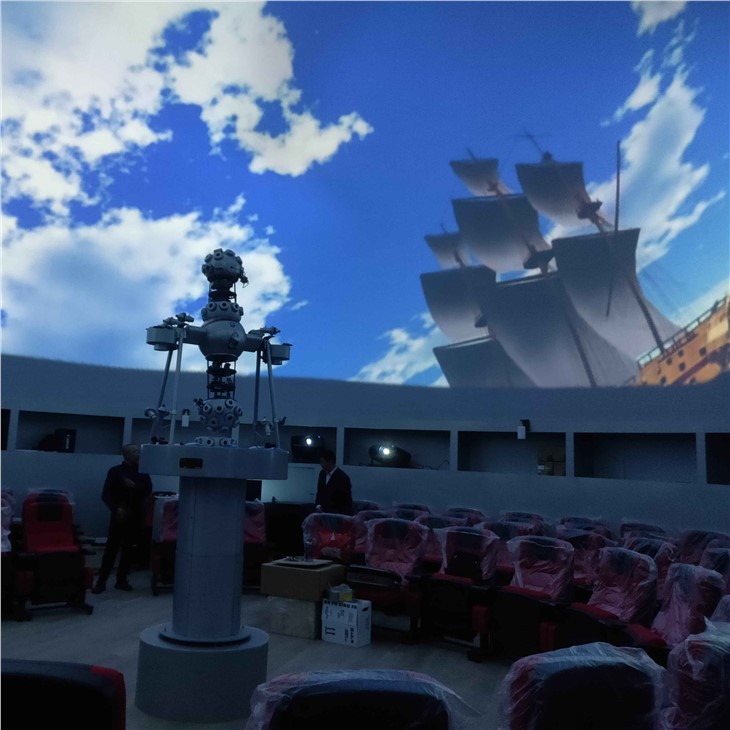
Dome theaters require a special type of multi - channel projection system. For dome theaters, high - brightness projectors are essential to ensure that the image is visible across the entire dome surface. Laser projectors are often the top choice here. Their consistent brightness and long lifespan make them ideal for continuous operation in a dome theater environment.
You can check out our Dome Theater Video Multi - channel Projection System and Multi Channel Dome Theater Projection System and Multi - channel Fulldome Projection System for more information on how these systems are designed to work with different types of projectors to create an immersive experience in a dome theater.
Conference Rooms and Meeting Spaces
In conference rooms and meeting spaces, LCD or DLP projectors are commonly used. LCD projectors are good for presenting colorful slides and documents, thanks to their color accuracy. DLP projectors, on the other hand, can handle high - resolution video presentations well. If the room is small, LED projectors can also be a cost - effective and energy - efficient option.
Outdoor Events
For outdoor events, high - brightness projectors are a must. Laser projectors or high - end DLP projectors are usually the best choices. They can produce a bright enough image to be visible even in ambient light conditions. Also, they need to be weather - resistant if they're going to be used outdoors for extended periods.
Conclusion
Choosing the right type of projectors for multi - channel projection depends on several factors, including the application, the size of the projection area, the budget, and the desired image quality. As a multi - channel projection supplier, I can help you assess your needs and recommend the most suitable projectors for your specific project.
If you're interested in learning more about our multi - channel projection solutions or have a project in mind, feel free to reach out to us. We can have a detailed discussion about your requirements and work together to find the best projector setup for you.
References
- "Projection Technology Handbook" by some industry experts
- Various manufacturer's specifications and brochures for different types of projectors.


