


The projection color gamut in a Planetarium Projection Dome is a crucial aspect that significantly impacts the overall visual experience. As a supplier of Planetarium Projection Domes, I have witnessed firsthand how the color gamut can transform a simple projection into an immersive and captivating astronomical journey.
Understanding Color Gamut
Color gamut refers to the range of colors that a particular device or system can reproduce. In the context of planetarium projection, it determines the variety and accuracy of colors that can be displayed on the dome surface. A wider color gamut means that more colors can be represented, resulting in a more vibrant and realistic visual presentation.
The human eye can perceive a vast spectrum of colors, and a high - quality planetarium projection system aims to replicate as much of this spectrum as possible. The most common color gamut standard used in the industry is the Rec. 2020, which encompasses a much wider range of colors compared to older standards like sRGB.
Importance of Color Gamut in Planetarium Projection
Realistic Representation of Celestial Objects
In a planetarium, the goal is to provide an accurate representation of the night sky. Different celestial objects have distinct colors. For example, stars can vary from blue - white (hot, massive stars) to red (cooler, smaller stars). A wide color gamut allows for a more precise rendering of these colors, enabling visitors to have a more realistic understanding of the universe.
Immersive Experience
A rich color gamut enhances the immersive nature of the planetarium experience. When the colors of nebulae, galaxies, and other astronomical phenomena are accurately reproduced, visitors feel as if they are truly floating in space. This immersion is a key factor in engaging the audience, especially for educational purposes, as it can make complex astronomical concepts more accessible and interesting.
Storytelling and Narrative
Many planetarium shows have a narrative element. The use of a wide color gamut can help in setting the mood and telling the story more effectively. For instance, a show about the formation of the solar system might use warm colors to represent the early, hot stages and cooler colors for the later, more stable phases.
Factors Affecting the Projection Color Gamut in Planetarium Projection Domes
Projection Technology
The type of projection technology used plays a significant role in determining the color gamut. There are several types of projectors available, such as DLP (Digital Light Processing), LCD (Liquid Crystal Display), and LCoS (Liquid Crystal on Silicon). Each technology has its own characteristics in terms of color reproduction.
DLP projectors are known for their high contrast ratios and fast response times. However, they may have limitations in reproducing certain colors compared to other technologies. LCD projectors, on the other hand, can offer a relatively wide color gamut, but they may suffer from issues like light leakage. LCoS projectors combine some of the best features of DLP and LCD, offering good color accuracy and high resolution.
Light Source
The light source in the projector also affects the color gamut. Traditional lamp - based projectors have a certain range of color output. However, newer technologies like laser - based projectors can offer a much wider color gamut. Laser light sources can produce a more pure and intense spectrum of colors, resulting in a more vivid and accurate projection.
Dome Surface
The material and properties of the dome surface can impact the color gamut. A high - gain screen may enhance the brightness of the projection but can also affect the color accuracy. A low - gain, diffuse screen may provide a more accurate color reproduction but may require a more powerful projector to achieve the desired brightness. The curvature of the dome can also cause some distortion in color, which needs to be corrected through calibration.
Measuring and Optimizing the Projection Color Gamut
Color Calibration
Color calibration is an essential process to ensure that the projection system is reproducing colors accurately. This involves adjusting the projector settings, such as color temperature, hue, and saturation, to match a specific color standard. Professional calibration tools and software are used to measure and adjust the color output of the projector.
Testing and Evaluation
Regular testing and evaluation of the projection color gamut are necessary to maintain the quality of the planetarium experience. This can involve using colorimeters and spectrophotometers to measure the color accuracy and gamut coverage. By comparing the measured values with the desired color standards, any deviations can be identified and corrected.
Comparison with Other Projection Environments
When compared to other projection environments, such as Tilted Dome Cinema Screens or traditional flat - screen theaters, planetarium projection domes have unique requirements for color gamut. In a tilted dome cinema screen, the focus may be more on creating a cinematic experience, with a different set of color preferences. For example, a more saturated color palette may be used to enhance the visual impact of movies.
In traditional flat - screen theaters, the viewing angles and the flat nature of the screen result in different color distribution compared to a dome. Planetarium projection domes need to ensure that the color gamut is consistent across the entire curved surface, which is a more challenging task.
Our Offerings as a Planetarium Projection Dome Supplier
As a supplier of Planetarium Projection Domes, we understand the importance of the projection color gamut. We offer a range of high - quality projection systems that are carefully selected to provide a wide color gamut. Our domes are designed with the latest materials and technologies to minimize color distortion and enhance the overall visual experience.
We also provide professional calibration services to ensure that the color output of the projection system meets the highest standards. Our team of experts can work closely with customers to understand their specific requirements and customize the projection solution accordingly.
In addition to planetarium projection domes, we also offer Immersive Projection Dome Theaters that are suitable for a variety of applications, including educational shows, entertainment events, and corporate presentations. These theaters are designed to provide a fully immersive experience, with a focus on high - quality color reproduction.
Conclusion
The projection color gamut in a Planetarium Projection Dome is a critical factor that can make or break the visitor experience. A wide and accurate color gamut allows for a more realistic representation of the universe, enhances immersion, and enables effective storytelling. As a supplier, we are committed to providing the best - in - class projection solutions that prioritize color quality.

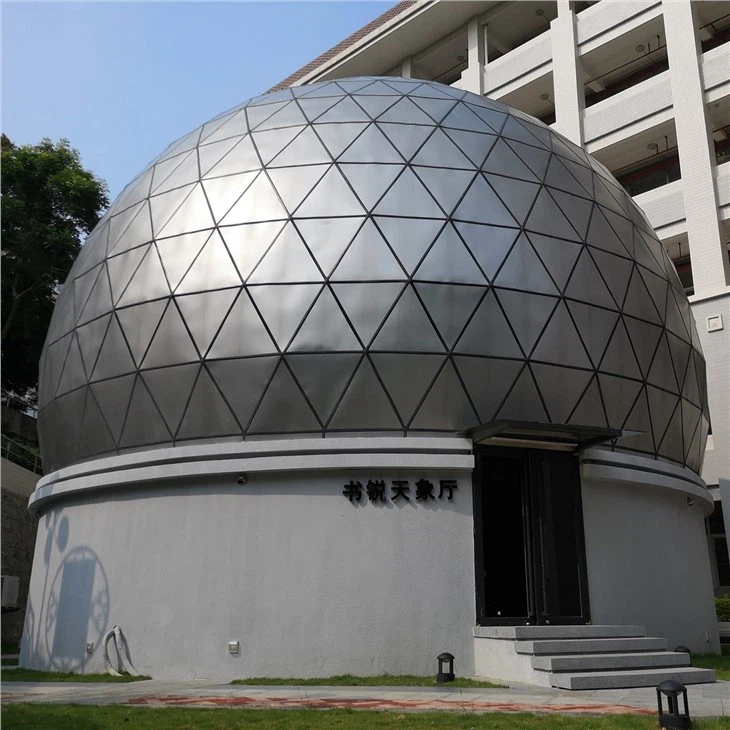
If you are interested in purchasing a Planetarium Projection Dome or have any questions about our products and services, we encourage you to contact us for a detailed discussion. We look forward to working with you to create an unforgettable planetarium experience.
References
- Smith, J. (2018). "Color Gamut in Projection Systems: A Comprehensive Guide". Journal of Projection Technology, 12(3), 45 - 56.
- Johnson, A. (2019). "Advances in Planetarium Projection Technology". Astronomy Today, 25(4), 78 - 85.
- Brown, C. (2020). "The Impact of Color on Immersive Experiences in Domes". Immersive Media Journal, 8(2), 32 - 41.


