


Hey there! As a supplier of Planetarium Projection Domes, I often get asked about the power requirements for these amazing setups. So, I thought I'd break it all down for you in this blog post.
First off, let's talk about why power requirements matter. A Planetarium Projection Dome is a high - tech piece of equipment that creates immersive experiences for visitors. Whether it's a small educational dome in a school or a large commercial one in a science center, getting the power right is crucial. If you don't supply enough power, the projection quality can suffer, and you might even risk damaging the equipment. On the other hand, over - supplying power can lead to unnecessary energy costs.
Factors Affecting Power Requirements
Projection System
The heart of any Planetarium Projection Dome is the projection system. There are different types of projectors, and each has its own power needs. For example, traditional lamp - based projectors typically consume more power compared to LED or laser - based ones. Lamp projectors can use anywhere from 200 to 500 watts or more, depending on their brightness and size. LED projectors are generally more energy - efficient, using around 100 - 200 watts. Laser projectors offer a balance between high brightness and relatively lower power consumption, usually in the range of 200 - 350 watts.
If you're looking for a high - end projection experience, you might opt for multiple projectors to create a seamless, high - resolution image across the dome. In this case, you need to multiply the power consumption of a single projector by the number of projectors used. For instance, if you have four 300 - watt projectors, that's already 1200 watts just for the projection system.
Audio System
A good audio system is essential for a complete immersive experience in a Planetarium Projection Dome. The power requirements for audio equipment depend on the size of the dome and the quality of the sound you want to achieve. Smaller domes might get away with a basic speaker setup that consumes around 50 - 100 watts. However, larger domes or those aiming for a high - end surround sound experience could require amplifiers and speakers that use 200 - 500 watts or more.
Climate Control
Maintaining the right temperature and humidity inside the dome is important for both the comfort of the visitors and the longevity of the equipment. The power consumption of climate control systems varies widely based on the size of the dome and the local climate. In a small dome, a simple air - conditioning unit might use around 500 - 1000 watts. For larger domes, especially in hot and humid areas, the power consumption could be several thousand watts.
Other Equipment
There are also other pieces of equipment that contribute to the overall power requirements. This includes things like control panels, lighting systems, and any interactive displays. Control panels usually consume a relatively small amount of power, around 10 - 50 watts. Lighting systems can vary from low - power LED lights that use a few watts each to more powerful stage - style lights that might use 100 - 200 watts per fixture.

Calculating the Total Power Requirements
To calculate the total power requirements for a Planetarium Projection Dome, you need to add up the power consumption of all the components. Let's say you have a medium - sized dome with the following equipment:
- Two 300 - watt laser projectors: 2 x 300 = 600 watts
- An audio system that uses 300 watts
- A climate control unit that consumes 1500 watts
- A control panel using 30 watts
- Lighting fixtures that use a total of 200 watts
The total power requirement would be 600 + 300+1500 + 30+200 = 2630 watts.
It's important to note that this is a rough estimate, and actual power consumption can vary depending on factors like the efficiency of the equipment and how often it's used at full capacity.
Power Supply and Safety
Once you've calculated the power requirements, you need to make sure you have a suitable power supply. Most Planetarium Projection Domes are connected to the local electrical grid. You'll need to work with an electrician to ensure that the electrical infrastructure can handle the load. This might involve upgrading the electrical panel or installing dedicated circuits for the dome equipment.
Safety is also a major concern. Overloading electrical circuits can lead to fires and other hazards. That's why it's crucial to follow all electrical codes and regulations when installing and operating a Planetarium Projection Dome. Make sure all equipment is properly grounded, and use surge protectors to safeguard against power spikes.
Our Products and Power Efficiency
At our company, we understand the importance of power efficiency. That's why we offer a range of products that are designed to minimize power consumption without sacrificing performance. For example, our 360 Projection Dome Screen is compatible with the latest energy - efficient projection systems. These systems not only use less power but also offer high - quality images that enhance the visitor experience.
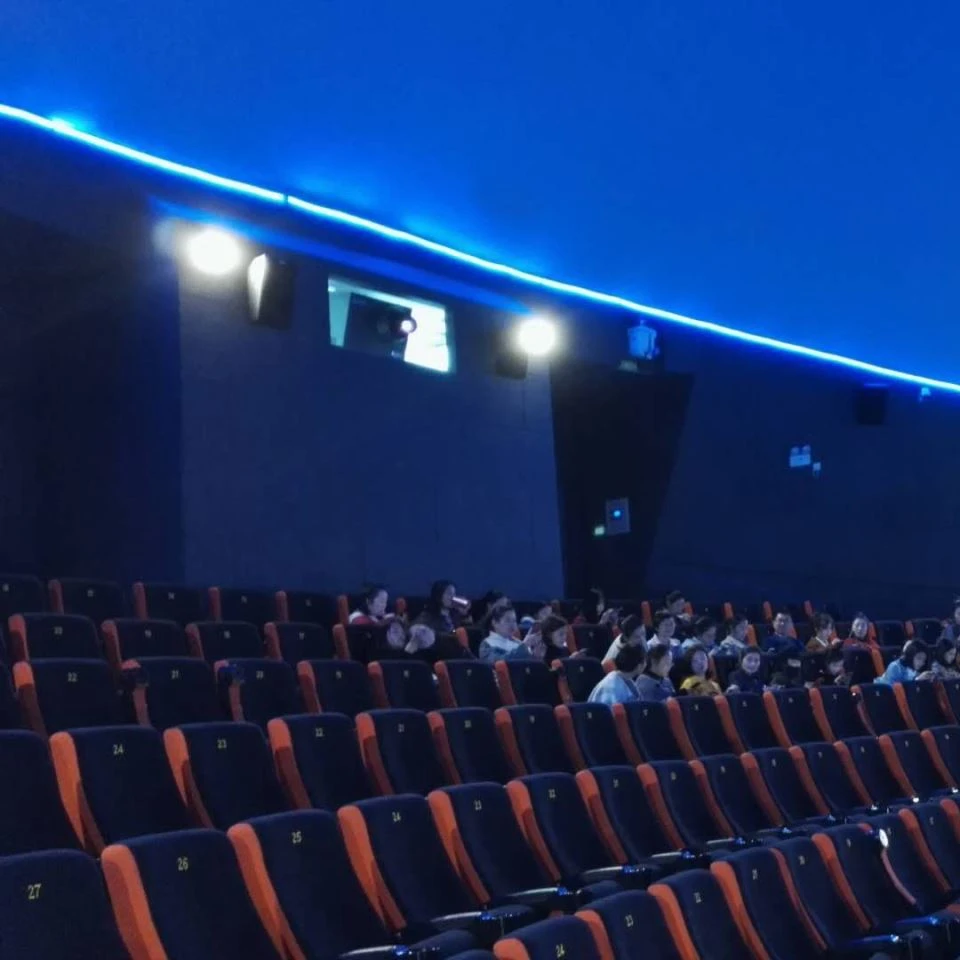
We also have Acoustically Transparent Dome Screen Theaters that are designed to work with efficient audio systems. These theaters provide excellent sound quality while keeping power consumption in check. And if you're looking for a large - scale solution, our Large - format Cinema Dome Theater is built with power - saving features in mind.
Contact Us for Your Planetarium Projection Dome Needs
If you're in the market for a Planetarium Projection Dome, we'd love to hear from you. Whether you're a school looking to enhance your science curriculum, a science center planning a new exhibit, or a commercial venue wanting to offer a unique experience, we have the expertise and products to meet your needs. We can help you calculate the power requirements for your specific setup and provide you with energy - efficient solutions.
So, don't hesitate to reach out to us for a consultation. We'll work with you every step of the way to ensure that your Planetarium Projection Dome is not only a great investment but also an energy - friendly one.
References
- "Projection System Power Consumption Guide" - Industry Report
- "Audio Equipment Energy Efficiency" - Journal of Audio Engineering
- "Climate Control in Enclosed Spaces" - HVAC Research Journal


