


Can a Planetarium Projector be used outdoors?
Hey there! I'm a supplier of planetarium projectors, and I get this question a lot: Can a planetarium projector be used outdoors? Well, let's dive right in and explore this topic.
First off, what exactly is a planetarium projector? A planetarium projector is a device that projects images of stars, planets, and other celestial objects onto a dome or a large screen, creating a realistic digital kinestic model of a sky. We offer a range of projectors, including the Optical Planetarium Projector, which uses optical technology to project high-quality images of the night sky.
Now, back to the question at hand. Can you use a planetarium projector outdoors? The answer is yes, but it comes with some challenges.
Advantages of Using a Planetarium Projector Outdoors
One of the biggest advantages of using a planetarium projector outdoors is the immersive experience it can provide. Imagine setting up a projector in your backyard, a local park, or at a campground. You and your friends or family can lie back on a blanket, look up at the projected sky, and feel like you're in the middle of the universe. It's a great way to educate people about astronomy, especially kids. They'll be able to see constellations, planets, and other celestial objects in a way that's much more engaging than just looking at a textbook.
Another advantage is the flexibility it offers. Unlike indoor planetariums, which are usually fixed in one location, an outdoor setup can be easily moved around. You can set it up for a special event, like a star party or an outdoor wedding, and then take it down when you're done.
Challenges of Using a Planetarium Projector Outdoors
However, there are also some significant challenges to using a planetarium projector outdoors. The first and most obvious challenge is ambient light. Unlike an indoor planetarium, where you can control the lighting and create a completely dark environment, outdoors, there's always some level of ambient light. This can include moonlight, streetlights, and even light pollution from nearby cities. All of this ambient light can make it difficult for the projector to project a clear and visible image.
Weather is another major challenge. Rain, snow, wind, and extreme temperatures can all damage the projector or affect its performance. You'll need to take precautions to protect the projector from the elements, such as using a weatherproof cover or setting it up under a shelter.
In addition, setting up the projector outdoors can be more complicated than indoors. You'll need to find a flat and stable surface to place the projector on, and you'll also need to ensure that it's properly aligned and focused. This can be a challenge, especially if you're not familiar with how to set up a planetarium projector.
Tips for Using a Planetarium Projector Outdoors
If you're up for the challenge and want to use a planetarium projector outdoors, here are some tips to help you get the best results:
- Choose the right location: Look for a location that's away from bright lights and has a clear view of the sky. A park, a rural area, or a backyard with few surrounding lights are all good options.
- Time your setup: Try to set up the projector after sunset when the ambient light is at its lowest. This will help the projected image stand out more.
- Use a high-quality projector: A high-quality projector with a high lumen output will be better able to combat ambient light. Our Optical Planetarium Projector is a great choice for outdoor use, as it offers a bright and clear image.
- Protect the projector from the weather: Use a weatherproof cover or set up the projector under a shelter to protect it from rain, snow, and wind.
- Align and focus the projector carefully: Make sure the projector is properly aligned and focused to ensure a clear and sharp image. You may need to experiment with different angles and distances to find the best setup.
Applications of Outdoor Planetarium Projectors
There are many different applications for outdoor planetarium projectors. Here are just a few examples:

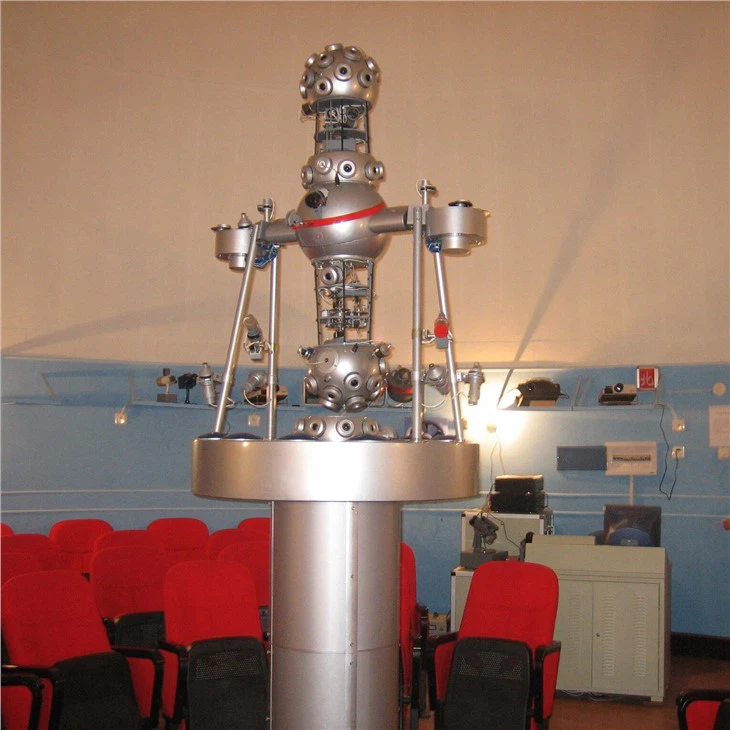
- Educational events: Schools, universities, and science museums can use outdoor planetarium projectors to teach students about astronomy. They can set up the projector in a schoolyard or a nearby park and give students a hands-on learning experience.
- Public events: Local governments, community organizations, and event planners can use outdoor planetarium projectors to host star parties, festivals, and other public events. This is a great way to engage the community and promote science and education.
- Private events: Homeowners, campers, and outdoor enthusiasts can use outdoor planetarium projectors to create a unique and memorable experience in their own backyard or at a campsite. It's a great way to relax and enjoy the beauty of the night sky with friends and family.
Our Products for Outdoor Use
As a planetarium projector supplier, we offer a range of products that are suitable for outdoor use. Our Star Theater Planetarium is a great option for larger outdoor events. It can project a large and immersive image of the night sky, and it comes with a variety of features and options to enhance the viewing experience.
In addition to our projectors, we also offer a range of accessories and support services to help you set up and use your outdoor planetarium projector. From weatherproof covers to alignment tools, we have everything you need to ensure a successful outdoor setup.
Contact Us for Your Planetarium Projector Needs
If you're interested in using a planetarium projector outdoors, or if you have any questions about our products or services, we'd love to hear from you. Whether you're a school, a museum, an event planner, or a homeowner, we can help you find the right planetarium projector for your needs.
Just reach out to us, and we'll be happy to discuss your options and provide you with a quote. We're committed to providing high-quality products and excellent customer service, so you can trust us to help you create an amazing outdoor planetarium experience.
References
- "Astronomy for Beginners," National Geographic
- "Outdoor Astronomy: Tips and Tricks," Sky & Telescope Magazine
- "Planetarium Projector Technology," Journal of Astronomical Instrumentation


