


Hey there! As a supplier of Planetarium Systems, I often get asked how we manage to project those amazing celestial images onto a dome. It's a pretty cool process, and I'm excited to break it down for you.
First off, let's talk about the heart of the planetarium system - the projectors. We've got some really advanced technology at our disposal. One of our star attractions (pun intended) is the High Precision Star Ball Projector Planetarium. This little (well, not so little) device is a marvel of engineering. It's designed to accurately mimic the night sky, with thousands of stars projected onto the dome.
The way it works is based on some fundamental principles of optics. Inside the star ball projector, there are a series of lamps and lenses. The lamps act as the light source, and the lenses are carefully calibrated to project the light in a specific pattern. Each star is represented by a tiny pinhole or a carefully etched pattern on a metal or glass plate. When the light passes through these pinholes or patterns, it creates the illusion of stars in the sky.
But it's not just about creating a static image of the stars. We want to show the dynamic nature of the universe, with planets moving, constellations changing positions over time, and even the occasional meteor shower. That's where our Astronomy Projection Equipment comes in.
This equipment includes special projectors that can project images of planets, nebulae, and other celestial objects. These projectors use high - resolution digital technology to display incredibly detailed images. They're connected to a computer system that controls the movement and positioning of the projected objects. The computer is programmed with astronomical data, so it can accurately simulate the movement of planets around the sun, the rotation of the Earth, and other astronomical phenomena.
Now, let's move on to the dome itself. The Dome Planetarium is a crucial part of the whole setup. It's not just any ordinary dome; it's designed to provide the best possible viewing experience. The dome's interior surface is usually made of a special material that has high reflectivity and low glare. This ensures that the projected images are bright, clear, and easy to see from any seat in the planetarium.
The shape of the dome also plays an important role. It's typically a hemisphere, which gives a more immersive experience. When you're sitting inside the dome, it feels like you're looking up at the real sky. The projectors are carefully positioned around the perimeter of the dome to ensure that the images cover the entire surface evenly.
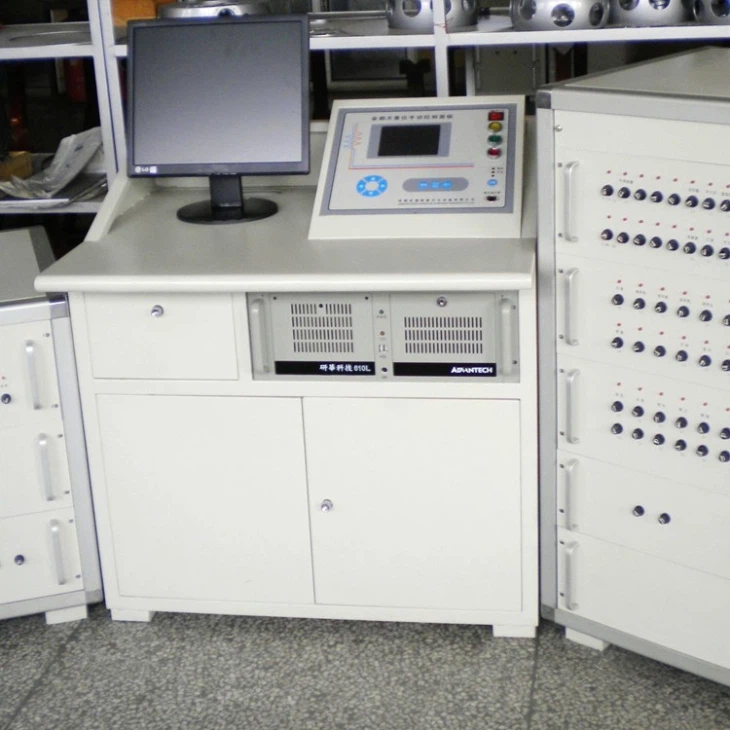
Another challenge we face is synchronizing all the projectors. We need to make sure that the stars, planets, and other celestial objects are all in the right positions relative to each other. This is done using a sophisticated control system. The control system sends signals to each projector, telling it when to turn on, off, and how to adjust the position and brightness of the projected image.
We also use software to create and manage the shows. The software allows us to design different types of shows, from educational presentations about astronomy to immersive visual experiences. It can control the timing of the projections, add special effects like fading in and out, and even synchronize the projections with audio.

One of the things that sets our Planetarium Systems apart is the level of customization we offer. We can tailor the system to meet the specific needs of our clients. Whether it's a small school planetarium or a large public science center, we can design a system that fits the space and budget.
For example, if a client wants a more interactive experience, we can integrate touch - screen controls or other interactive elements into the system. This allows visitors to explore the universe on their own, learn about different celestial objects, and even create their own virtual astronomy shows.
If you're in the market for a Planetarium System, whether it's for educational purposes, entertainment, or research, we'd love to hear from you. Our team of experts can work with you to design the perfect system for your needs. We offer high - quality equipment, professional installation, and ongoing support to ensure that your planetarium runs smoothly.
Contact us today to start the conversation about bringing the wonders of the universe to your dome. We're here to help you create an unforgettable experience for your visitors.
References
- Optics textbooks for the principles of star ball projectors
- Astronomical databases used for programming the movement of celestial objects
- Industry reports on the latest trends in planetarium technology


