


The movie industry has witnessed a remarkable evolution over the years, with technological advancements continuously reshaping the way audiences experience films. One such innovation that has been making waves is the use of tilted dome cinema screens. As a supplier of Tilted Dome Cinema Screens, I have had the privilege of observing firsthand how these unique screens are influencing the movie industry.
The Rise of Tilted Dome Cinema Screens
In recent times, there has been a growing demand for immersive movie - going experiences. Traditional flat screens, while still popular, are no longer sufficient to fully engage modern audiences who are seeking something more extraordinary. Tilted dome cinema screens offer a solution by providing a more immersive and all - encompassing viewing environment.
The concept of dome - shaped screens is not entirely new. Fulldome Theater and Panoramic Dome Theater have long been used in specialized settings such as planetariums and some experimental cinemas. However, the tilted dome design takes this idea a step further. The tilt adds an extra dimension to the viewing experience, creating a sense of depth and perspective that is truly captivating.
Impact on Audience Experience
One of the most significant impacts of tilted dome cinema screens is on the audience experience. When viewers enter a theater equipped with a tilted dome screen, they are immediately transported to a different world. The curved and tilted surface of the screen surrounds them, making them feel like they are part of the action.
For example, in action - packed movies with high - speed chases or epic battles, the tilted dome screen enhances the sense of speed and movement. The curvature of the screen allows for a wider field of view, so that the audience can see more of the scene at once. This creates a more immersive and thrilling experience compared to a flat screen.

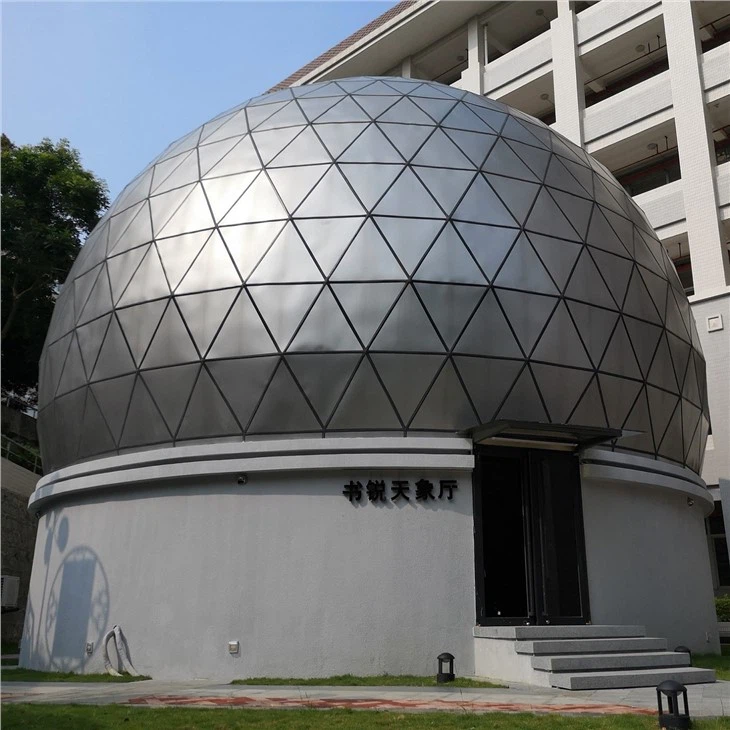
In addition, for movies with a strong sense of atmosphere, such as horror or fantasy films, the tilted dome screen can heighten the emotional impact. The way the light and images are projected on the curved surface can create a more realistic and engaging environment. For instance, in a horror movie set in a dark forest, the tilted dome screen can make the audience feel like they are actually walking through the forest, surrounded by the trees and the darkness.
Creative Opportunities for Filmmakers
Tilted dome cinema screens also open up new creative opportunities for filmmakers. With the unique shape and perspective of the screen, filmmakers can experiment with different camera angles and storytelling techniques.
They can use the curvature of the screen to create a more dynamic and visually stunning composition. For example, they can film scenes that take advantage of the screen's edges, making the action seem to spill out of the frame and into the audience's space. This can add a new level of excitement and interactivity to the film.
Moreover, filmmakers can design films specifically for tilted dome screens. They can create content that is optimized for the curved and tilted surface, taking into account the way the images will be projected and perceived by the audience. This could lead to the development of a new genre of movies that are tailored to the capabilities of the tilted dome screen.
Influence on Theater Design and Architecture
The introduction of tilted dome cinema screens has also had an impact on theater design and architecture. The installation of these screens requires a different approach compared to traditional flat screens.
Theater owners need to consider the shape and size of the screen when designing the layout of the theater. The seating arrangement must be carefully planned to ensure that all viewers have an optimal viewing experience. In some cases, theaters may need to be built or renovated to accommodate the unique requirements of the tilted dome screen.
For example, the acoustics of the theater also need to be adjusted. The curved surface of the screen can affect the way sound travels, so special acoustic treatments may be required to ensure that the audio quality is consistent throughout the theater.
Economic Implications for the Movie Industry
From an economic perspective, tilted dome cinema screens can have both positive and negative impacts on the movie industry. On the positive side, theaters that invest in these screens can attract more customers. The unique and immersive experience offered by the tilted dome screen can be a major draw for movie - goers, especially those who are looking for something new and exciting.
This can lead to increased ticket sales and potentially higher revenues for theaters. In addition, the demand for content specifically designed for tilted dome screens could create new business opportunities for filmmakers and production companies.
However, there are also some challenges. The cost of installing and maintaining tilted dome cinema screens is relatively high compared to traditional flat screens. Theater owners need to make a significant investment in the equipment and technology, as well as in the necessary renovations to the theater. There is also a learning curve for both the staff and the audience. Staff need to be trained on how to operate the new equipment, and audiences may need to adjust to the new viewing experience.
Competing with Other Technologies
In the ever - evolving movie industry, tilted dome cinema screens are not the only technology vying for attention. There are other immersive technologies such as virtual reality (VR) and 3D glasses - free displays that also aim to provide a more engaging viewing experience.
While VR offers a highly immersive experience, it is a more individual - based technology. Viewers need to wear a headset, which isolates them from the rest of the audience. In contrast, a tilted dome cinema screen provides a shared experience for a group of people. It allows audiences to enjoy the movie together, which is an important aspect of the traditional movie - going experience.
3D glasses - free displays also have their own advantages, such as the convenience of not having to wear glasses. However, they may not offer the same level of immersion as a tilted dome screen. The curved and tilted surface of the tilted dome screen creates a more natural and engaging viewing environment that is difficult to replicate with other technologies.
Future Outlook
The future of tilted dome cinema screens in the movie industry looks promising. As technology continues to improve, the cost of installing and maintaining these screens is likely to decrease. This will make them more accessible to a wider range of theaters.
In addition, as more filmmakers start to explore the creative possibilities of tilted dome screens, there will be a growing library of content specifically designed for these screens. This will further enhance the appeal of the tilted dome cinema experience.
We may also see more hybrid theaters that combine the features of a tilted dome screen with other immersive technologies. For example, theaters could incorporate elements of VR or augmented reality (AR) to create an even more immersive and interactive experience.
Conclusion
In conclusion, tilted dome cinema screens are having a profound impact on the movie industry. They are transforming the audience experience, providing new creative opportunities for filmmakers, influencing theater design, and presenting both economic opportunities and challenges.
As a supplier of Tilted Dome Cinema Screens, I am excited to be part of this innovative trend. We believe that these screens have the potential to revolutionize the way people watch movies. If you are a theater owner, filmmaker, or someone interested in the future of the movie industry, we would love to have a conversation with you about how our tilted dome cinema screens can enhance your projects. Whether you are looking to upgrade your existing theater or embark on a new cinematic adventure, we are here to provide you with the best solutions and support.
References
- "The Future of Cinema: Immersive Technologies" - Journal of Film Studies
- "Cinema Screen Design and Its Impact on Audience Experience" - International Journal of Theater Research
- "Innovations in Filmmaking for Non - Traditional Screens" - Film and Media Quarterly


