


Hey there! As a supplier of planetariums, I've been getting a bunch of questions lately about how we project those awesome images on the dome. So, I thought I'd take a few minutes to break it down for you.
First off, let's talk about the basics. A planetarium is a special kind of theater that's designed to show the night sky and other astronomical phenomena. The key to creating a realistic and immersive experience is to project high-quality images onto a large, curved dome. But how do we do that?
Well, there are a few different methods, but the most common one involves using a combination of projectors and software. The projectors are usually mounted on the ceiling of the planetarium and aimed at the dome. They use a special lens system to project the images onto the curved surface, creating a seamless and realistic view of the sky.
The software is what really makes the magic happen. It's responsible for controlling the projectors and creating the images that are projected onto the dome. There are a lot of different software packages available, each with its own set of features and capabilities. Some are designed specifically for planetariums, while others can be used for a variety of applications.
One of the most important features of the software is its ability to create realistic star fields. This involves using a database of stars and other celestial objects to create a virtual sky that looks just like the real thing. The software can also simulate the movement of the stars and planets, allowing visitors to see how the sky changes over time.
Another important feature is the ability to create special effects, such as nebulae, galaxies, and comets. These effects can add a lot of visual interest to the planetarium experience and make it more engaging for visitors.
So, now that you know the basics, let's take a closer look at the different types of projectors that are used in planetariums. There are two main types: optical projectors and digital projectors.
Optical projectors are the traditional type of projector used in planetariums. They use a series of lenses and mirrors to project images onto the dome. These projectors are known for their high-quality images and their ability to create realistic star fields. However, they can be expensive to purchase and maintain, and they require a lot of space.
Digital projectors, on the other hand, are a newer type of projector that uses digital technology to create images. These projectors are smaller, more affordable, and easier to maintain than optical projectors. They also offer a wider range of features and capabilities, such as the ability to project high-definition video and images.
So, which type of projector is right for your planetarium? Well, it really depends on your specific needs and budget. If you're looking for the highest-quality images and a traditional planetarium experience, then an optical projector might be the way to go. However, if you're on a budget or you're looking for a more modern and flexible solution, then a digital projector might be a better choice.
In addition to projectors and software, there are a few other things that you'll need to consider when setting up a planetarium. For example, you'll need to choose the right dome for your space. The dome should be large enough to accommodate your audience and should have a smooth, curved surface that's suitable for projection.
You'll also need to consider the lighting in the planetarium. The lighting should be dim enough to create a realistic night sky effect, but bright enough to allow visitors to see the seats and other objects in the room.
Finally, you'll need to think about the audio system in the planetarium. The audio system should be high-quality and should be able to provide clear and immersive sound effects. This can help to enhance the overall planetarium experience and make it more engaging for visitors.
So, there you have it! That's a basic overview of how planetariums project images on the dome. If you're interested in learning more about planetariums or if you're thinking about purchasing a planetarium for your school, museum, or other organization, then I'd love to hear from you.

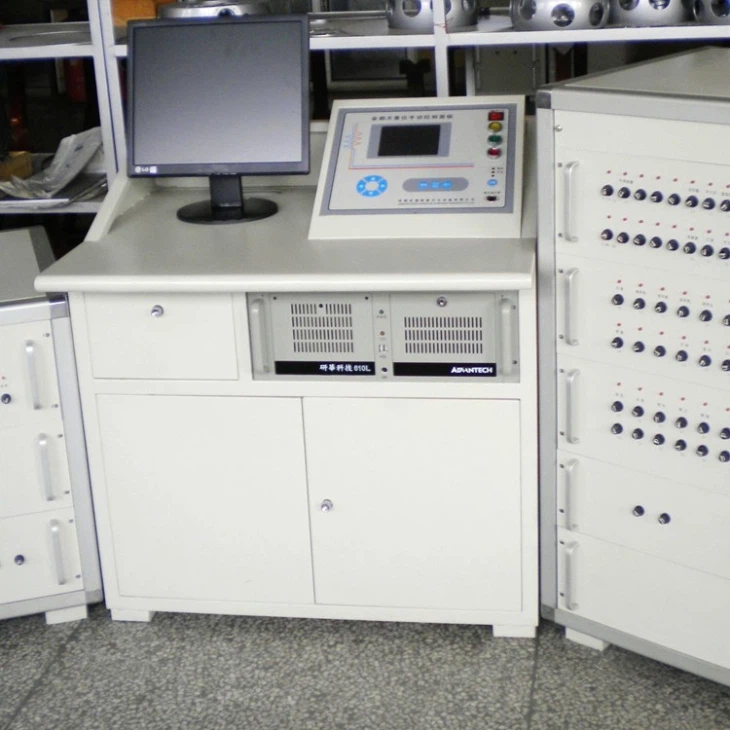
As a planetarium supplier, we offer a wide range of Astronomy Projection Equipment and services to meet your needs. We have experience working with a variety of clients, from small schools to large museums, and we're committed to providing the highest-quality products and services at competitive prices.
Whether you're looking for an Optical Planetarium Projector or a Dome Planetarium, we can help you find the right solution for your space. We also offer installation, training, and support services to ensure that your planetarium is up and running smoothly.
So, if you're interested in learning more about our products and services, or if you have any questions about planetariums in general, then please don't hesitate to contact us. We'd love to hear from you and to help you create a truly amazing planetarium experience for your visitors.
References
- "Planetarium Technology: A Guide to Projection Systems." Planetarium Science Center, [Date Accessed].
- "How Do Planetariums Work?" ThoughtCo, [Date Accessed].
- "The History of Planetariums." Smithsonian Institution, [Date Accessed].


