


Bringing your own binoculars to a dome planetarium is a question that often arises among astronomy enthusiasts and visitors alike. As a supplier of Dome Planetarium, I'm here to shed some light on this topic and provide you with all the information you need.
The Function and Design of Dome Planetariums
Dome planetariums are sophisticated facilities designed to simulate the night sky and various astronomical phenomena. They typically use Astronomy Projection Equipment to project high - resolution images of stars, planets, and other celestial objects onto a large, spherical dome. The projection systems are carefully calibrated to create a realistic and immersive experience, allowing visitors to observe the universe in a controlled environment.
The interior of a dome planetarium is designed to optimize the viewing experience. The seats are arranged in a way that provides a clear view of the dome, and the lighting is adjusted to reduce glare and enhance the contrast of the projected images. The audio system is also an important part of the experience, providing narration and sound effects to complement the visual display.
Why Binoculars Might Seem Useful
Binoculars are a popular tool for stargazing in the real world. They can magnify distant objects, allowing you to see details that are not visible to the naked eye. For example, you can use binoculars to observe the craters on the moon, the bands on Jupiter, or the rings of Saturn. Given their usefulness in outdoor stargazing, it's natural to wonder if they can enhance the experience in a dome planetarium.
Some people might think that binoculars could help them see more details in the projected images. They might imagine that the magnification provided by binoculars would allow them to examine individual stars or other celestial objects more closely. Additionally, binoculars can provide a more immersive experience, as they can make the viewer feel as if they are closer to the objects being observed.
The Reality of Using Binoculars in a Dome Planetarium
However, using binoculars in a dome planetarium is not as practical as it might seem. First of all, the projected images in a dome planetarium are already optimized for viewing with the naked eye. The projection equipment is designed to create sharp, clear images that cover a wide field of view. When you use binoculars, you reduce the field of view significantly, which can make it difficult to see the entire scene projected on the dome.
Secondly, the images projected in a dome planetarium are flat, unlike real celestial objects. Binoculars work by providing depth perception and magnification for three - dimensional objects. When you use them to view a flat projection, the magnification can distort the image and make it appear blurry or out of focus.
Another issue is that binoculars require a steady hand to use effectively. In a planetarium, you are sitting in a relatively confined space, and it can be challenging to hold the binoculars steady for an extended period. This can lead to a shaky view and a less enjoyable experience.
The Impact on the Overall Experience
Using binoculars in a dome planetarium can also have a negative impact on the experience of other visitors. If you are constantly moving the binoculars around, it can block the view of the people sitting behind you. Additionally, the light reflecting off the binoculars can be distracting to others in the planetarium.
Most dome planetariums have a specific viewing protocol in place to ensure that all visitors have a comfortable and enjoyable experience. Bringing and using your own binoculars may violate these protocols and disrupt the flow of the show.
Alternatives to Binoculars in a Dome Planetarium
Instead of using binoculars, dome planetariums offer other ways to enhance your viewing experience. Many planetariums provide guided tours led by experienced astronomers or educators. These guides can point out interesting features in the projected images and provide in - depth information about the celestial objects being shown.

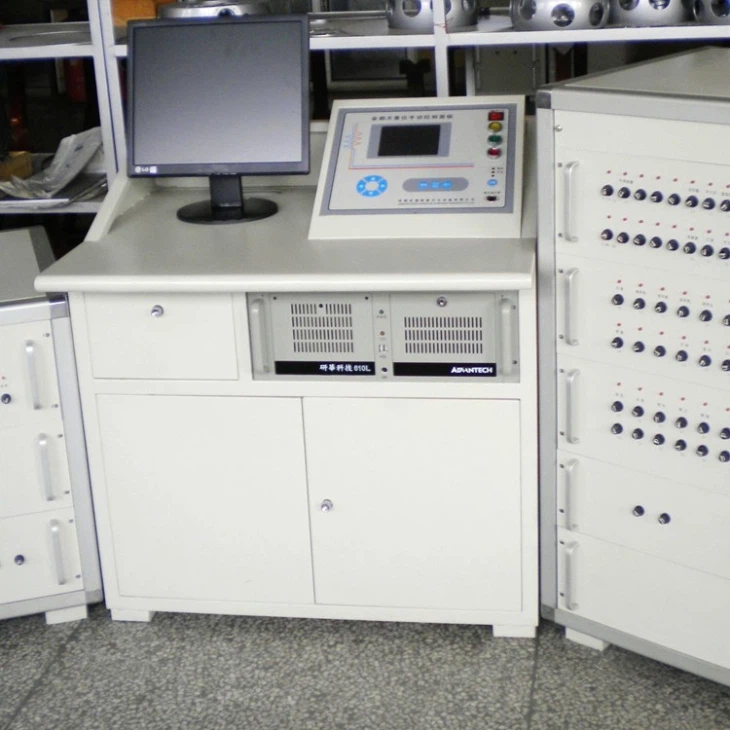
Some planetariums also offer interactive displays or exhibits that allow you to learn more about astronomy. These can include touch - screen displays, models, or hands - on activities that provide a more engaging and educational experience.
Our Dome Planetarium Offerings
As a supplier of Dome Planetarium, we offer a range of high - quality products designed to provide the best possible stargazing experience. Our Star Theater Planetarium is a state - of - the - art facility that uses the latest Astronomy Projection Equipment to create realistic and immersive astronomical displays.
Our planetariums are designed with the comfort and enjoyment of the visitors in mind. The seats are ergonomically designed, and the audio - visual system is top - notch. We also offer customizable shows and educational programs to meet the needs of different audiences, whether it's a school group, a family outing, or a professional astronomy event.
Conclusion and Call to Action
In conclusion, while it might seem like a good idea to bring your own binoculars to a dome planetarium, it's not recommended due to the reasons mentioned above. However, a visit to a well - equipped dome planetarium can still provide an amazing and educational experience.
If you are interested in purchasing a dome planetarium for your school, museum, or other institution, we would be happy to discuss your needs. Our team of experts can provide you with detailed information about our products and help you choose the best solution for your specific requirements. Contact us today to start the conversation about bringing the wonders of the universe to your location.
References
- "Astronomy: Principles and Practice" by A. E. Roy and D. Clarke.
- "The Sky Observer's Guide" by Guy Ottewell.


