


Are there any famous dome planetariums around the world?
In the vast expanse of human exploration and the pursuit of knowledge about the universe, dome planetariums stand as remarkable portals to the cosmos. These immersive spaces offer a unique opportunity for people of all ages to experience the wonders of the night sky without leaving the comfort of a terrestrial building. As a supplier of Dome Planetarium, I have had the privilege of being involved in the creation and enhancement of these celestial havens. In this blog, we will embark on a journey to explore some of the world's famous dome planetariums and understand what makes them so special.
The Hayden Planetarium, New York City, USA
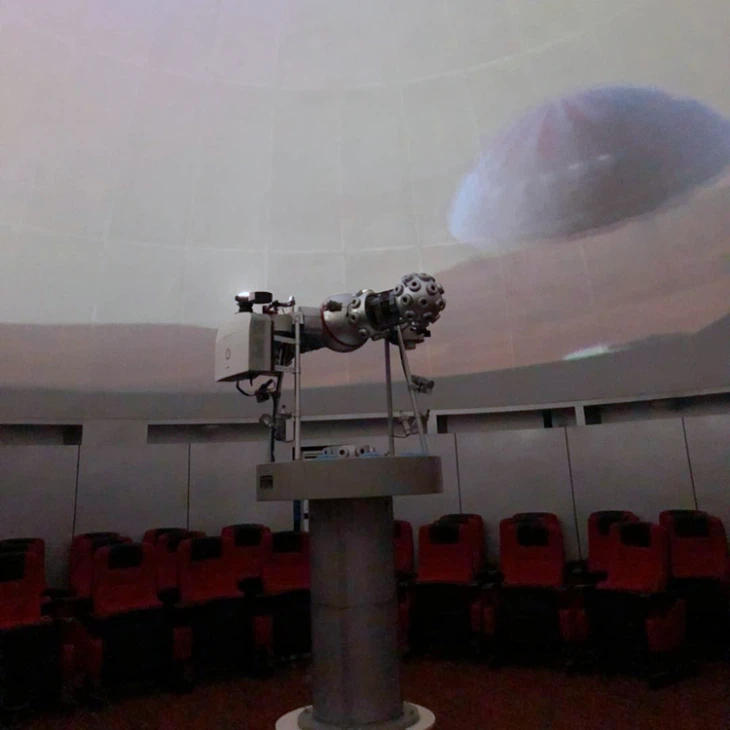
One of the most iconic dome planetariums in the world is the Hayden Planetarium, located within the American Museum of Natural History in New York City. Opened in 2000, this state - of - the - art facility is a marvel of modern astronomy education. Its Space Theater features a massive spherical dome that envelops visitors in a 360 - degree view of the universe. The planetarium uses a cutting - edge Planetarium System that combines high - resolution digital projection with sophisticated software to create incredibly realistic simulations of astronomical phenomena.
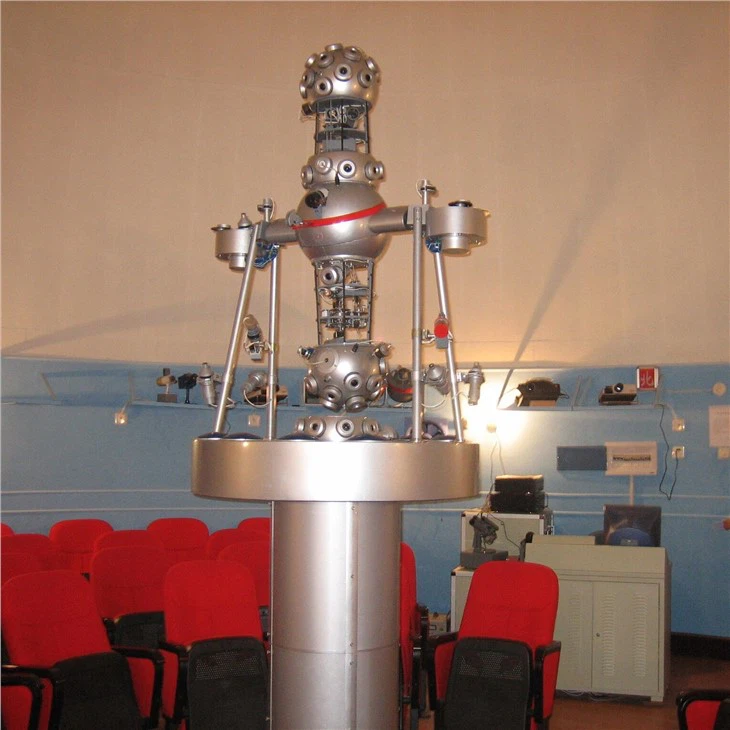
The Hayden Planetarium is not just a place to watch pretty star shows; it is a center for scientific research and education. It hosts a variety of programs, from public shows that explain the latest discoveries in astronomy to educational workshops for students. The Zeiss Mark IX opto - mechanical star projector, which was once the heart of the planetarium, has been integrated with digital technology to provide a seamless blend of traditional and modern astronomy presentation. This combination allows visitors to see both the familiar constellations as well as the latest data from space telescopes.
The Tokyo Planetarium, Japan
In the bustling metropolis of Tokyo, the Tokyo Planetarium offers a serene escape into the cosmos. Established in 1957, it is one of the oldest planetariums in Japan. The planetarium's dome has a diameter of 23 meters and is equipped with an Optical Planetarium Projector that can project over 9,000 stars onto the dome. The high - precision projection system creates a vivid and accurate representation of the night sky, making it a popular destination for both locals and tourists.
The Tokyo Planetarium also places a strong emphasis on cultural and historical aspects of astronomy. In addition to its regular star shows, it offers programs that explore the relationship between astronomy and Japanese art, literature, and mythology. For example, some shows incorporate traditional Japanese constellations and folktales, giving visitors a unique perspective on how different cultures have interpreted the stars over time. The planetarium also conducts research on astronomy education and often collaborates with schools and universities to develop innovative teaching methods.
The Sydney Observatory Planetarium, Australia
Situated in the beautiful Sydney Harbour area, the Sydney Observatory Planetarium provides a unique Australian perspective on the universe. Australia's location in the Southern Hemisphere offers a different view of the night sky compared to the Northern Hemisphere, and the planetarium takes full advantage of this. It showcases the distinctive constellations, such as the Southern Cross, which are not visible from most parts of the Northern Hemisphere.
The planetarium uses a modern digital projection system that can simulate the changing night sky throughout the year and across different locations in Australia. It also offers interactive exhibits and shows that focus on Australia's rich astronomical heritage, including the astronomy of the Indigenous Australian people. The Indigenous Australians have a long - standing connection with the sky, and their knowledge of the stars for navigation, time - keeping, and storytelling is an important part of the planetarium's educational programs.
The Calouste Gulbenkian Planetarium, Lisbon, Portugal
The Calouste Gulbenkian Planetarium in Lisbon is known for its innovative approach to astronomy education. It was opened in 1965 and has since undergone several renovations to keep up with the latest technological advancements. The planetarium's dome has a diameter of 18 meters and is equipped with a state - of - the - art digital projection system.
One of the unique features of the Calouste Gulbenkian Planetarium is its focus on multi - sensory experiences. In addition to the visual displays of the night sky, some of its shows incorporate sound effects, music, and even tactile elements to enhance the overall immersion. For example, during a show about a comet's approach, the audience might feel a gentle vibration to simulate the comet's passage through space. This multi - sensory approach makes the planetarium particularly engaging for children and adults alike.
Why These Planetariums Matter
These famous dome planetariums around the world play a crucial role in astronomy education and public outreach. They make the vast and often complex universe accessible to people of all ages and backgrounds. By providing immersive experiences, they can inspire a sense of wonder and curiosity about the cosmos, which is essential for the future of scientific exploration.
For students, planetariums offer a hands - on learning environment where they can see astronomical concepts in action. They can observe the movement of planets, the formation of stars, and the collision of galaxies in a way that is much more engaging than simply reading about them in a textbook. This can spark an interest in science and technology, potentially leading to future careers in astronomy and related fields.
For the general public, planetariums are a place to relax and reflect on our place in the universe. In a world filled with distractions, the peacefulness of a planetarium show can be a welcome respite. It allows people to look up at the stars and contemplate the mysteries of the universe, which can be both humbling and inspiring.
Our Role as a Dome Planetarium Supplier
As a supplier of Dome Planetarium, we understand the importance of these institutions and the role we play in their success. We offer a wide range of products and services, from high - quality dome structures to advanced Planetarium System and Optical Planetarium Projector.
Our dome structures are designed to provide a seamless and immersive viewing experience. They are made from durable materials that can withstand various environmental conditions, ensuring long - term use. Our planetarium systems are constantly updated to incorporate the latest astronomical data and technological advancements. This allows planetariums to offer the most accurate and engaging shows possible.
We also provide comprehensive support services, including installation, maintenance, and training. Our team of experts is always on hand to assist planetarium operators in getting the most out of our products. Whether it's troubleshooting a technical issue or developing a new show, we are committed to helping our clients create the best possible astronomical experiences for their audiences.
Contact Us for Your Planetarium Needs
If you are interested in building a new dome planetarium or upgrading an existing one, we would love to hear from you. Our products and services are designed to meet the diverse needs of planetariums around the world. Whether you are a small community planetarium or a large - scale educational institution, we have the expertise and resources to help you create a world - class astronomical experience.
Please reach out to us to start a conversation about your project. We look forward to working with you to bring the wonders of the universe to life in your community.
References
- American Museum of Natural History. (n.d.). Hayden Planetarium. Retrieved from [Website of the American Museum of Natural History]
- Tokyo Planetarium. (n.d.). Official website. Retrieved from [Website of the Tokyo Planetarium]
- Sydney Observatory Planetarium. (n.d.). Official website. Retrieved from [Website of the Sydney Observatory Planetarium]
- Calouste Gulbenkian Planetarium. (n.d.). Official website. Retrieved from [Website of the Calouste Gulbenkian Planetarium]


