


How accurate is the star projection of an optical planetarium projector? That's a question I get asked a lot as a supplier of Optical Planetarium Projector. Let's dive into this topic to understand the ins and outs of star projection accuracy.
First off, what exactly is an optical planetarium projector? It's a cool piece of tech that uses optics to project an image of the night sky onto a dome. These projectors are the heart of a Planetarium System and are used in Dome Planetarium setups all over the world. They can show stars, planets, and other celestial objects, creating an immersive experience that makes you feel like you're floating in space.
Now, let's talk about accuracy. The accuracy of star projection in an optical planetarium projector depends on several factors. One of the most important is the quality of the optics. High - quality lenses and mirrors are crucial for creating a sharp and accurate image. The better the optics, the more precisely the projector can replicate the positions of stars in the real sky. This is because light needs to be bent and focused correctly to project the stars in their right places.
Another factor is the calibration of the projector. Calibration is like tuning a musical instrument. It ensures that the projector is aligned correctly so that the stars are projected accurately. When a planetarium projector is installed, a technician will spend a significant amount of time calibrating it. They use special software and tools to match the projected stars with their real - world positions. This process can take hours or even days, especially for larger and more complex projectors.
The number of stars that a projector can display also affects accuracy. Some projectors are designed to show a handful of the brightest stars, while others can project thousands or even millions of stars. The more stars a projector can show, the more realistic the night - sky simulation will be. However, it also means that there's a higher chance of errors in the projection. Each additional star adds to the complexity of the system, and making sure that all those stars are in the right place requires a very accurate projector.
The age and condition of the projector can also play a role in accuracy. Over time, the components of an optical planetarium projector can wear out. Lenses can get scratched, mirrors can get dirty, and mechanical parts can become misaligned. Regular maintenance is essential to keep the projector in top - shape and maintain its accuracy. But even with the best maintenance, components will eventually need to be replaced.
In modern times, with the help of advanced technology, the accuracy of star projection has improved significantly. Digital technology has been integrated with optical projectors to enhance accuracy. Digital systems can adjust the positions of stars in real - time, taking into account factors like the observer's location, the time of day, and the date. This combination of optical and digital technology has made planetarium projections more accurate and realistic than ever before.
So, how accurate are they in practice? Well, in a well - maintained and properly calibrated modern optical planetarium projector, the positional accuracy of the stars can be within a few arc - seconds. An arc - second is a tiny unit of angular measurement, and being accurate to within a few arc - seconds is pretty impressive. This level of accuracy means that the stars projected in the planetarium are very close to their actual positions in the sky.
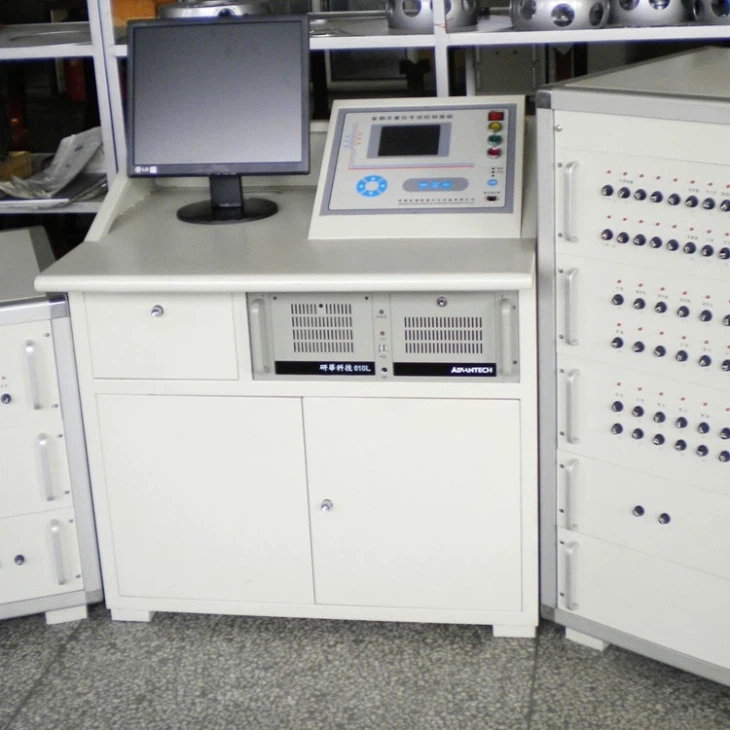

However, it's important to note that while optical planetarium projectors are very accurate, they're not perfect. There are still some limitations. For example, the atmosphere on Earth affects the way we see stars in the real sky. Stars twinkle because of the movement of air in the atmosphere, and it's difficult to replicate this effect exactly in a planetarium. Also, the real sky contains an infinite number of stars, while a planetarium projector can only display a finite number.
Despite these limitations, optical planetarium projectors are an amazing tool for education, research, and entertainment. They allow us to study the night sky in a controlled environment, and they can spark a sense of wonder and curiosity about the universe in people of all ages.
If you're in the market for an optical planetarium projector or a complete planetarium system, I'd love to have a chat with you. Whether you're setting up a small educational dome or a large public planetarium, we have the expertise and the products to meet your needs. We can discuss the accuracy requirements of your project, the features you're looking for, and the best solutions for your budget. Don't hesitate to reach out for a friendly and informative conversation. Let's work together to bring the wonders of the universe to life in your planetarium.
References
- "The Science of Planetariums" - A general overview of planetarium technology and its development over the years.
- "Optical Design for Planetarium Projectors" - A technical paper discussing the principles and challenges of designing accurate optical planetarium projectors.
- "Advances in Digital - Optical Hybrid Planetarium Systems" - An article highlighting the integration of digital and optical technologies in modern planetarium setups.


