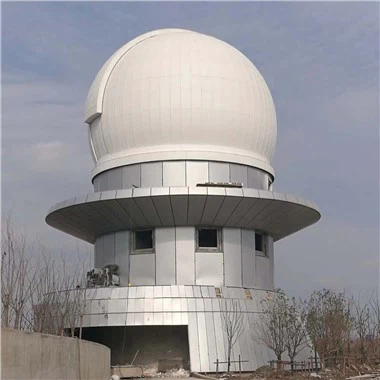
Are there any cultural differences in the acceptance of tilted dome cinema screens?
As a supplier of Tilted Dome Cinema Screens, I've had the privilege of engaging with clients from diverse cultural backgrounds. This experience has led me to ponder an intriguing question: Are there cultural differences in the acceptance of tilted dome cinema screens? To explore this, we need to delve into the unique aspects of various cultures and how they interact with new and innovative entertainment technologies.
Cultural Perceptions of Space and Aesthetics
Different cultures have distinct perceptions of space and aesthetics, which can significantly influence their acceptance of tilted dome cinema screens. In Western cultures, there is often a preference for modern and avant - garde designs. The tilted dome screen, with its unique and futuristic appearance, may be more readily embraced as a symbol of innovation and technological advancement. For example, in the United States and Europe, the entertainment industry is constantly pushing the boundaries of what is possible in terms of visual experiences. Cinemas and immersive entertainment venues are always on the lookout for new technologies to attract audiences. The tilted dome screen, with its ability to create a more immersive and dynamic viewing environment, fits well into this cultural context.
On the other hand, some Asian cultures, which have a rich history of traditional art and architecture, may approach new technologies with a more conservative mindset. In countries like Japan and China, there is a deep respect for harmony and balance in design. The tilted dome screen, with its non - traditional shape, might initially seem discordant with these cultural values. However, as these countries also have a strong interest in technology and innovation, once the benefits of the tilted dome screen in terms of enhanced viewing experiences are understood, acceptance can gradually increase.
The Role of Cultural Entertainment Preferences
Cultural entertainment preferences also play a crucial role in the acceptance of tilted dome cinema screens. In some cultures, there is a strong preference for live performances, such as theater and opera. These traditional forms of entertainment often focus on the interaction between the performers and the audience in a more conventional, flat - stage setting. For these cultures, the transition to a highly immersive, dome - based viewing experience might be more challenging.
In contrast, cultures that are more inclined towards digital and virtual entertainment, like South Korea, may be more receptive to tilted dome cinema screens. South Korea has a vibrant gaming and digital media industry, and its population is accustomed to engaging with high - tech, immersive experiences. The tilted dome screen, with its ability to provide a 360 - degree visual experience, can be seen as a natural extension of the digital entertainment landscape in such cultures.
Marketing and Education in Different Cultures
The way we market and educate consumers about tilted dome cinema screens can vary greatly depending on the culture. In individualistic cultures, such as those in the United States, marketing campaigns often focus on the individual's unique experience. Ads might emphasize how the tilted dome screen can provide a personalized, immersive journey for each viewer. On the other hand, in collectivistic cultures, like those in many African and Asian countries, marketing may need to highlight the shared experience. For example, promoting the tilted dome screen as a great venue for family outings or group gatherings.
Education about the technology behind the tilted dome screen is also essential. In cultures with a high level of technological literacy, like Finland, consumers may be more interested in the technical specifications and how the screen works. In other cultures, a more simplified and experience - based approach to education might be more effective. For instance, showing short videos of the immersive experiences that can be achieved with a tilted dome screen.
Case Studies: Acceptance in Different Regions
Let's take a look at some real - world examples of how tilted dome cinema screens are being received in different regions. In Europe, particularly in the United Kingdom, there has been a growing interest in immersive cinema experiences. The tilted dome screen has found a niche in art - house cinemas and independent entertainment venues. These venues often target audiences who are more open to experimental and unique viewing experiences. The [360 Projection Dome Screen](/dome - screen/360 - projection - dome - screen - manufacturing.html) has been well - received in this context, as it offers a full - circle visual experience that complements the avant - garde nature of the programming.
In the Middle East, the acceptance of tilted dome cinema screens is also on the rise. With the region's growing investment in cultural and entertainment infrastructure, there is a demand for new and exciting technologies. The [Perforated Domes for Planetarium](/dome - screen/perforated - domes - for - planetarium.html) are being used not only in planetariums but also in multiplex cinemas to provide a more immersive experience. The cultural emphasis on family and community in the Middle East means that marketing these screens as a family - friendly entertainment option has been effective.
In South America, the acceptance of tilted dome cinema screens has been a bit more gradual. The region has a strong tradition of outdoor and community - based entertainment. However, as urbanization increases and the demand for indoor entertainment grows, the tilted dome screen is starting to gain traction. The [Planetarium Projection Domes](/dome - screen/planetarium - projection - domes - supplier.html) are being used in science museums and cultural centers to attract both local and international visitors.


Overcoming Cultural Barriers
To overcome cultural barriers and increase the acceptance of tilted dome cinema screens, it's important to adapt our approach. We need to work closely with local partners in different regions to understand the cultural nuances and tailor our marketing and education strategies accordingly. For example, collaborating with local artists and filmmakers to create content that is culturally relevant and can be shown on the tilted dome screen.
We also need to provide training and support to local operators. In some cultures, there may be a lack of technical expertise in operating and maintaining the tilted dome screen. By offering comprehensive training programs, we can ensure that the screens are used to their full potential and provide a consistent and high - quality experience for audiences.
Conclusion
In conclusion, there are indeed cultural differences in the acceptance of tilted dome cinema screens. These differences stem from cultural perceptions of space and aesthetics, entertainment preferences, and the way marketing and education are carried out. However, with the right approach, these differences can be overcome. As a supplier of Tilted Dome Cinema Screens, I am committed to working with clients around the world to introduce this innovative technology to diverse audiences.
If you are interested in exploring the possibilities of incorporating tilted dome cinema screens into your entertainment venue, whether it's a cinema, a planetarium, or a cultural center, I invite you to reach out for a procurement discussion. We can work together to understand your specific needs and provide a solution that is tailored to your cultural context and audience.
References
- Hall, E. T. (1976). Beyond culture. Anchor Press.
- Hofstede, G. (1980). Culture's consequences: International differences in work - related values. Sage Publications.
- Triandis, H. C. (1995). Individualism and collectivism. Westview Press.